
THOMAS COOK CHINA
WeChat CRM Project
This project focused on building a post-booking travel service system inside Thomas Cook China’s WeChat ecosystem, supported by coordinated collaboration among IT, CRM, Product, Operations, and Digital Content teams.
Company
Thomas Cook China (In-house)
Role
Research, Ideation, Planning, UX Design, Copywriting, Cross-team Training
Duration
2019-2020
Category
Tourism/Travel Service
Problem Statements
For travelers, booking a trip is only the beginning. Many customers still felt uncertain about essential preparations—visa timelines, packing schedules, weather expectations, destination rules, and local tips.
With limited operational manpower, the Customer Experience team needed a scalable digital solution that could proactively guide travelers from booking to departure, while reinforcing the brand’s promise of worry-free service.
Through customer feedback and service records, several key issues surfaced:
Our challenge was to unify this complexity into a clear and actionable post-booking journey.
Customers lacked clarity after booking
When to submit documents
What to prepare before departure
What to expect at the destination
Whom to contact when unsure
Large effort required to produce reliable destination content
Accurate, digestible recommendations needed desk research, expert validation, and brand-consistent presentation.
Technical limitations varied by trip type
Group tours, private tours, free-and-easy trips, and independent itineraries each had different touchpoints, requiring customized solutions within WeChat’s technical constraints.
Internal information was fragmented
Product, visa, itinerary, operations, and service updates were scattered across different teams, making it difficult to deliver a consistent experience.
My Role
Insight
Conducted research and mapped customer journeys
Alignment
Identified pain points and orchestrated cross-team alignment
Planning
Planned CRM content flows and WeChat user flows
Design
Designed interface modules and landing pages
Content
Wrote product copy, destination guides, and UX messaging
Enablement
Delivered training to operation teams to maintain long-term consistency
Process
01
Discover
Reviewed customer service logs, common inquiries, and cancellation causes
Interviewed internal stakeholders across Product, OP, IT
Mapped the existing service journey using Smaply to visualize gaps
02
Define
Identified critical friction points across the journey
Prioritized touchpoints where digital support would reduce user anxiety and internal workload
03
Brainstorm
Co-created solution ideas with CRM, Digital, and OP teams
Explored possible WeChat Mini Program flows for different product types
04
Design
Designed new post-booking flows inside the WeChat service channel
Developed landing pages for key touchpoints
Created destination guide formats based on Thomas Cook’s lifestyle-driven tone
Iterated with IT to ensure feasibility
05
Test & Train
Conducted internal testing
Adjusted content structure based on feedback
Delivered documentation and training for CRM and OP teams to ensure consistent execution
Customer Journey Mapping
Using Smaply, I visualized the traveler’s emotional and operational journey from booking to departure.
The map helped the entire stakeholder team understand:
Where internal information breaks down
Which touchpoints require automated communication
What content must be pushed proactively
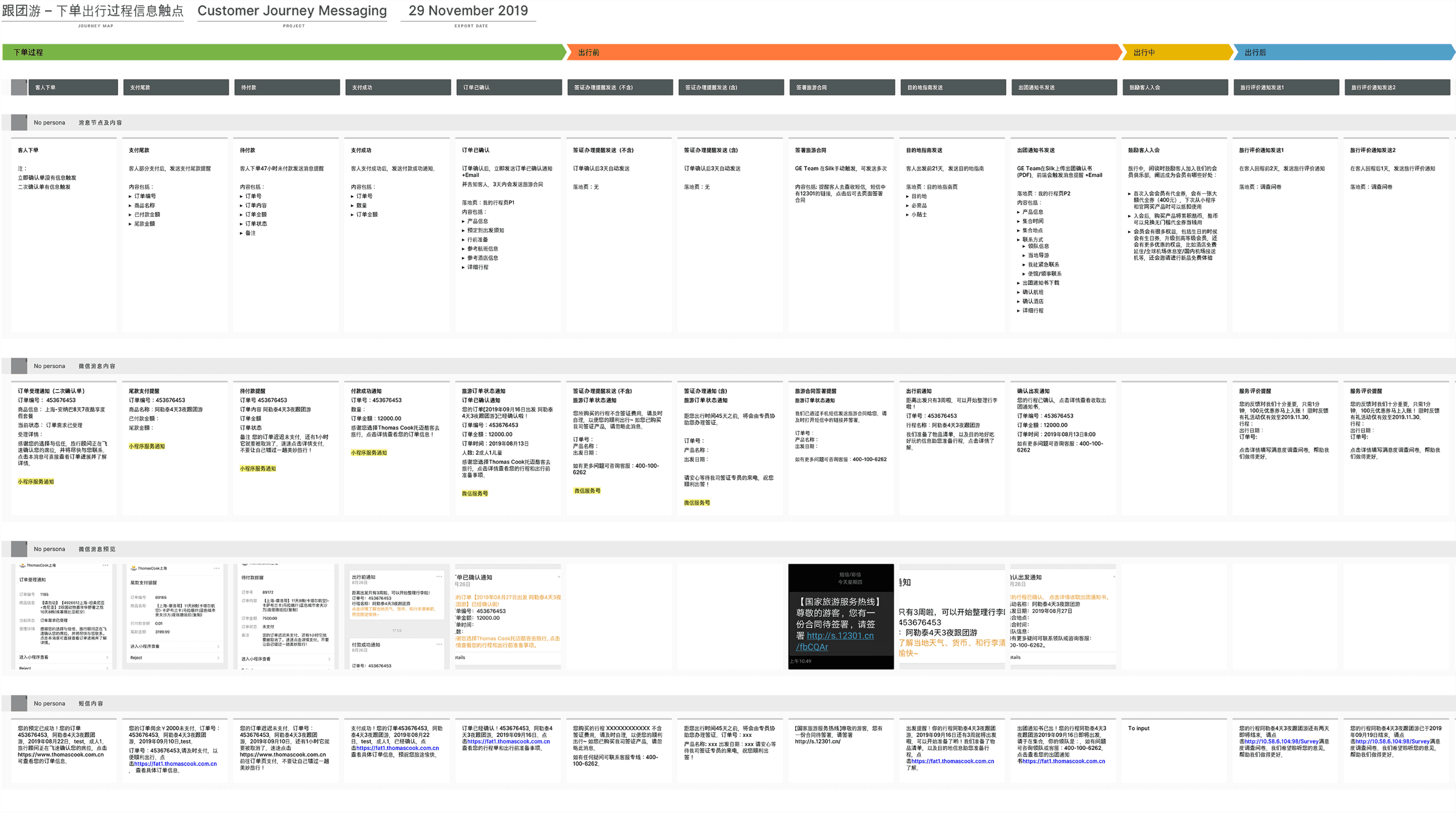
This alignment significantly reduced cross-team misunderstandings and guided the structure of the WeChat post-booking service flow.
Online User Flow (WeChat Mini Program)
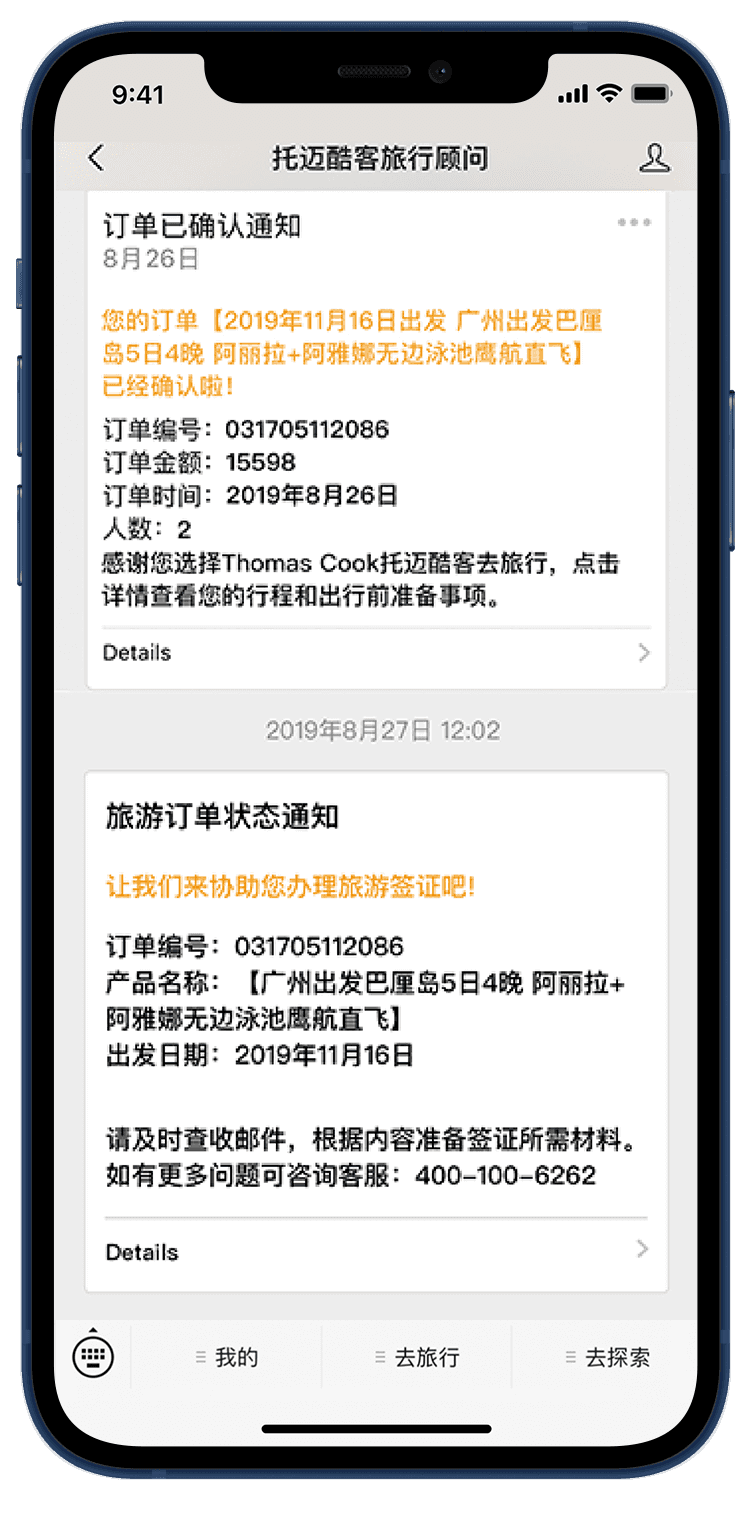
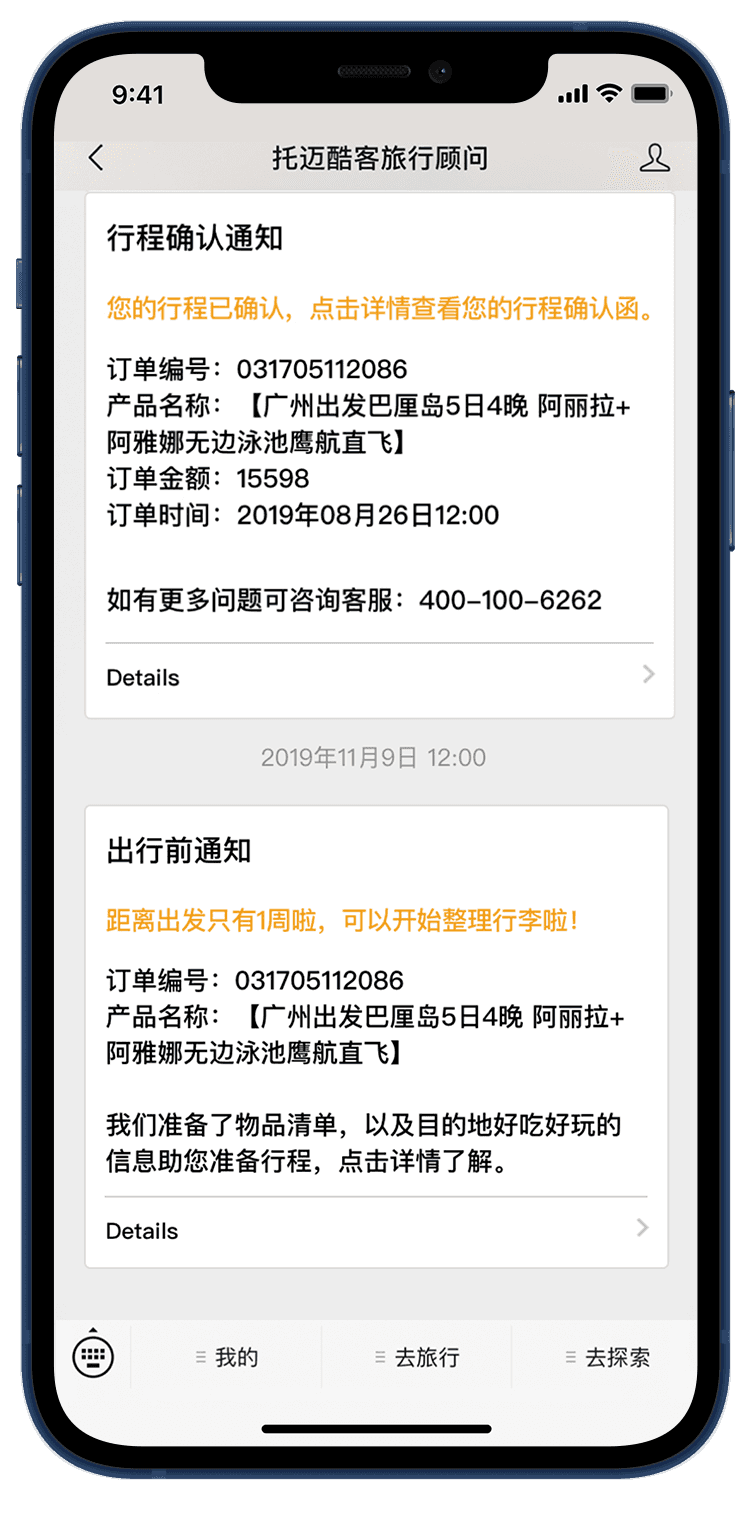
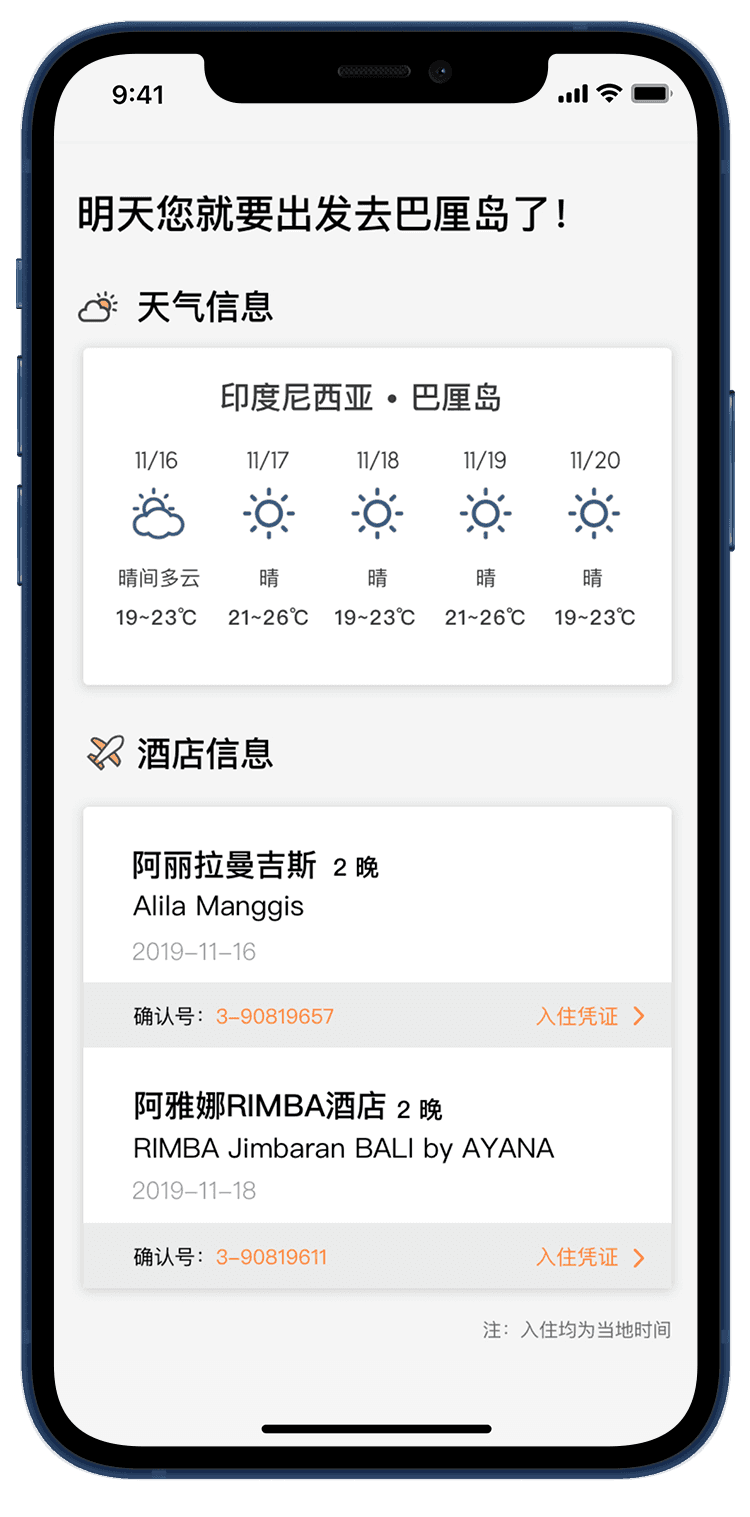
The mapped journey was translated into a structured user flow within the WeChat Mini Program. Features included:
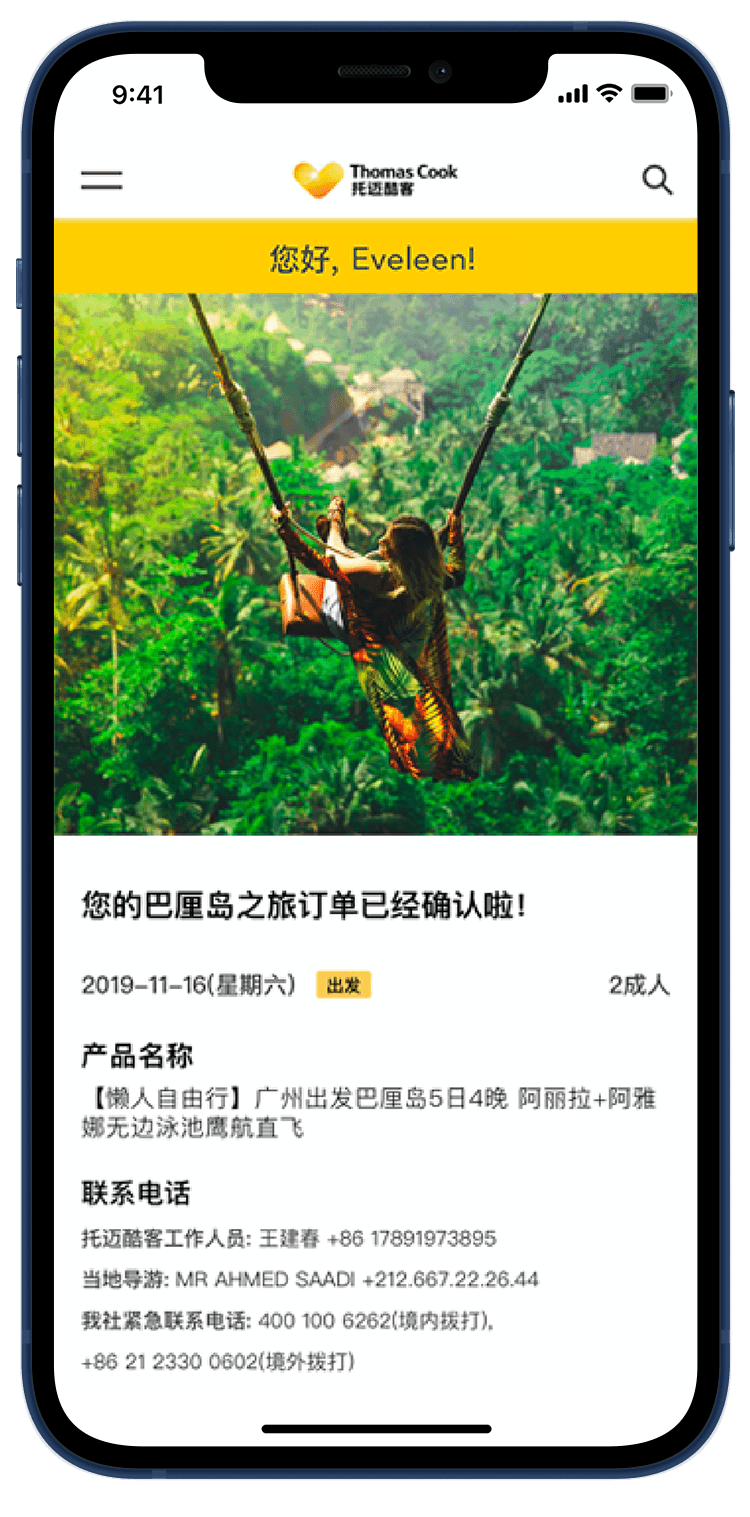
Booking confirmation
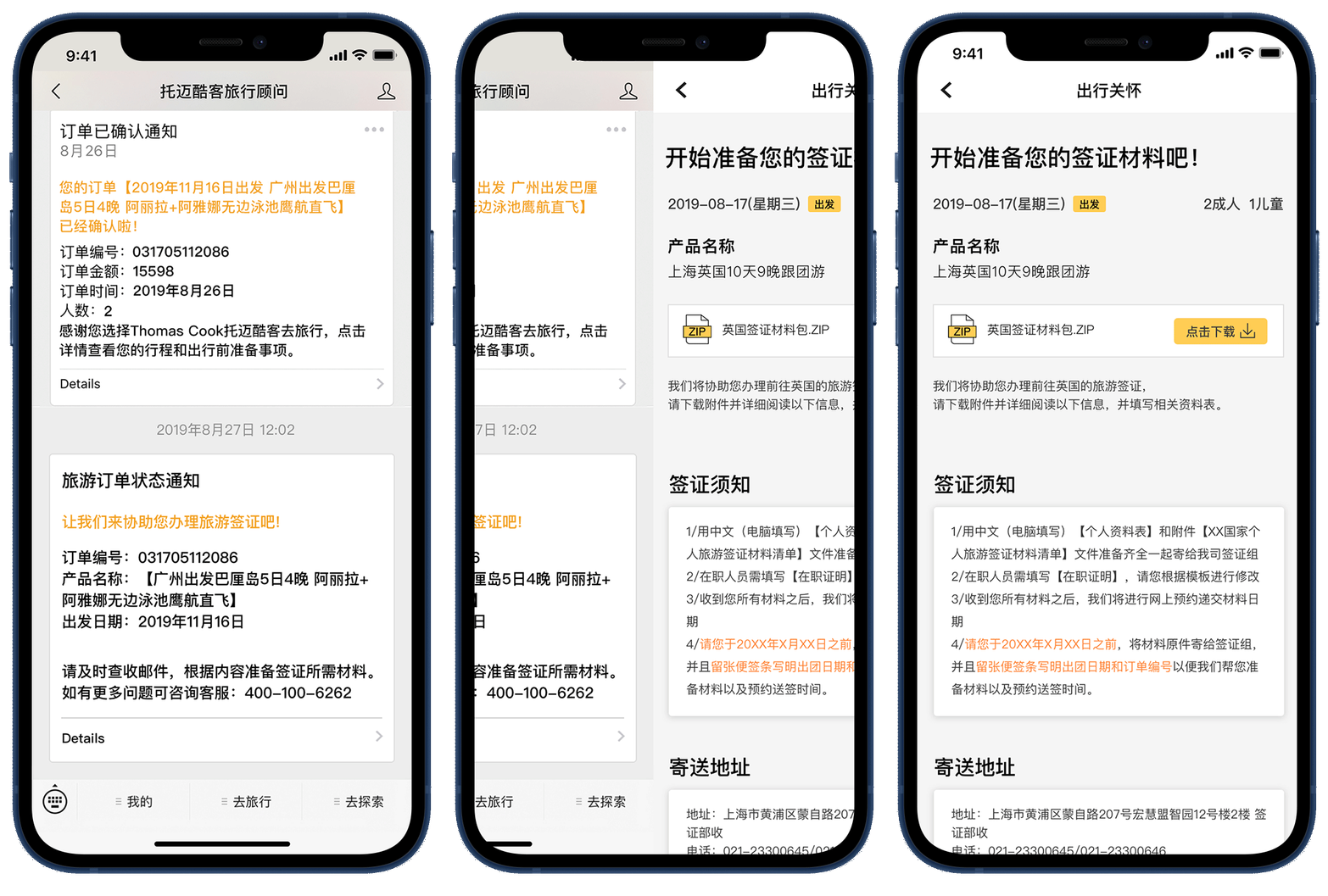
Visa progress updates
Pre-departure preparation checklist
Destination guide access
Essential reminders
Local tips and emergency contacts
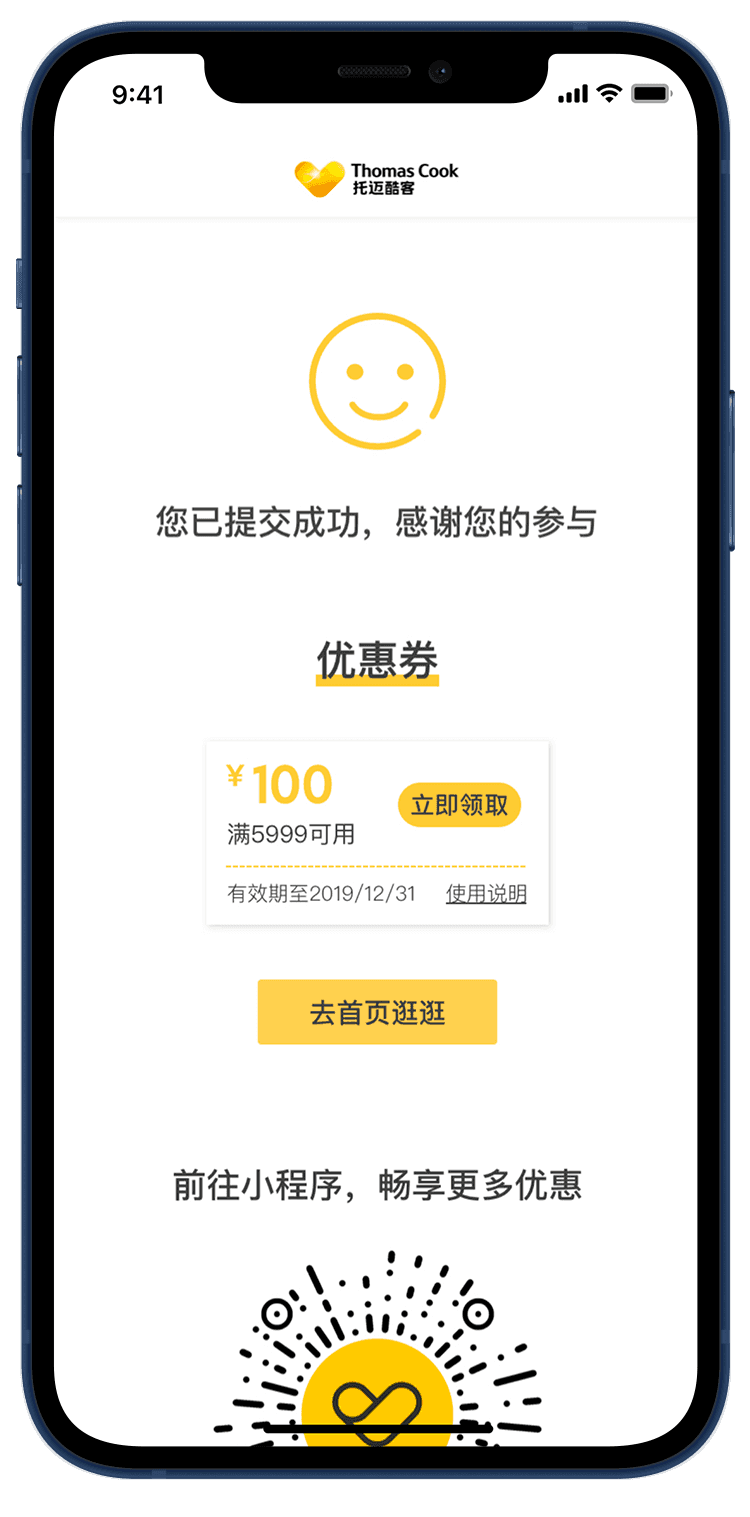
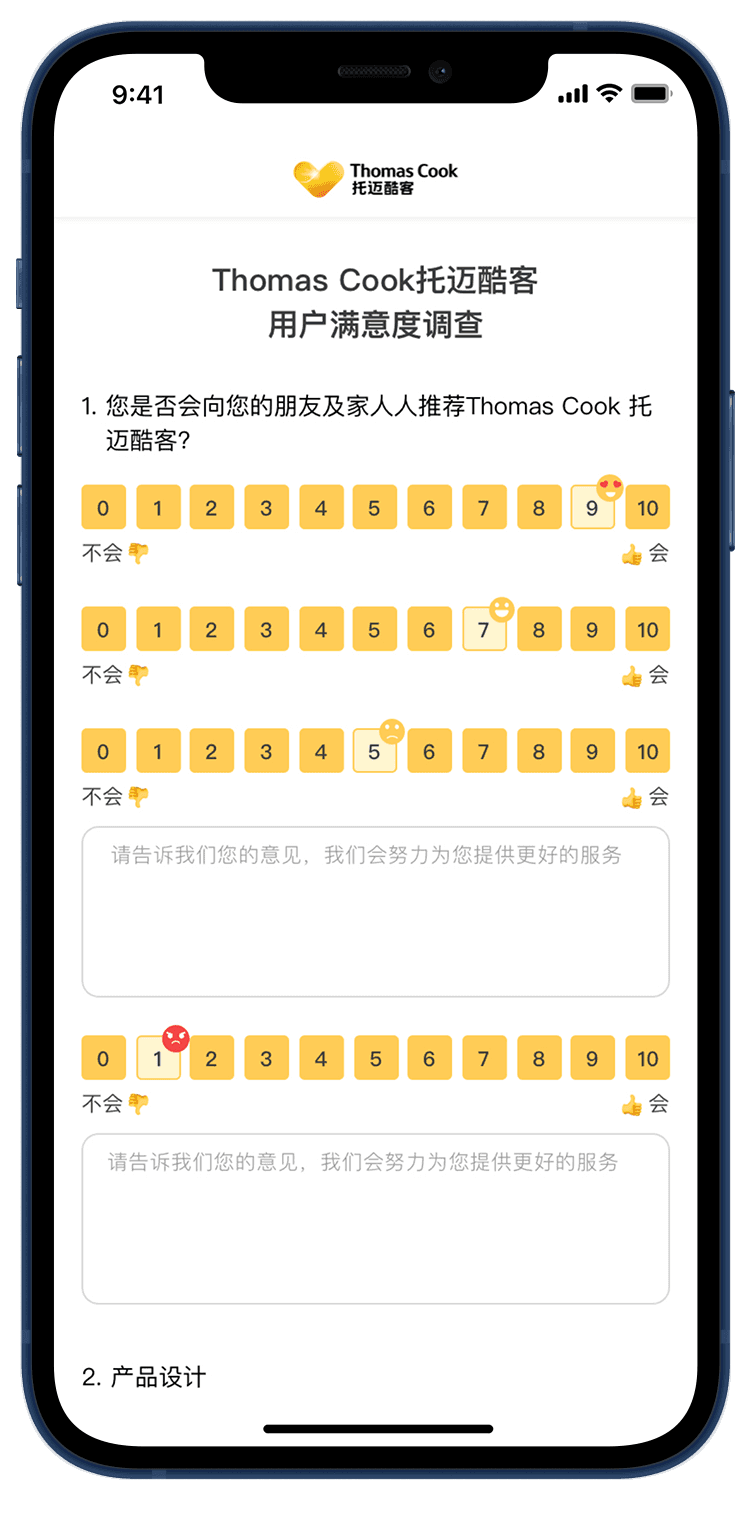
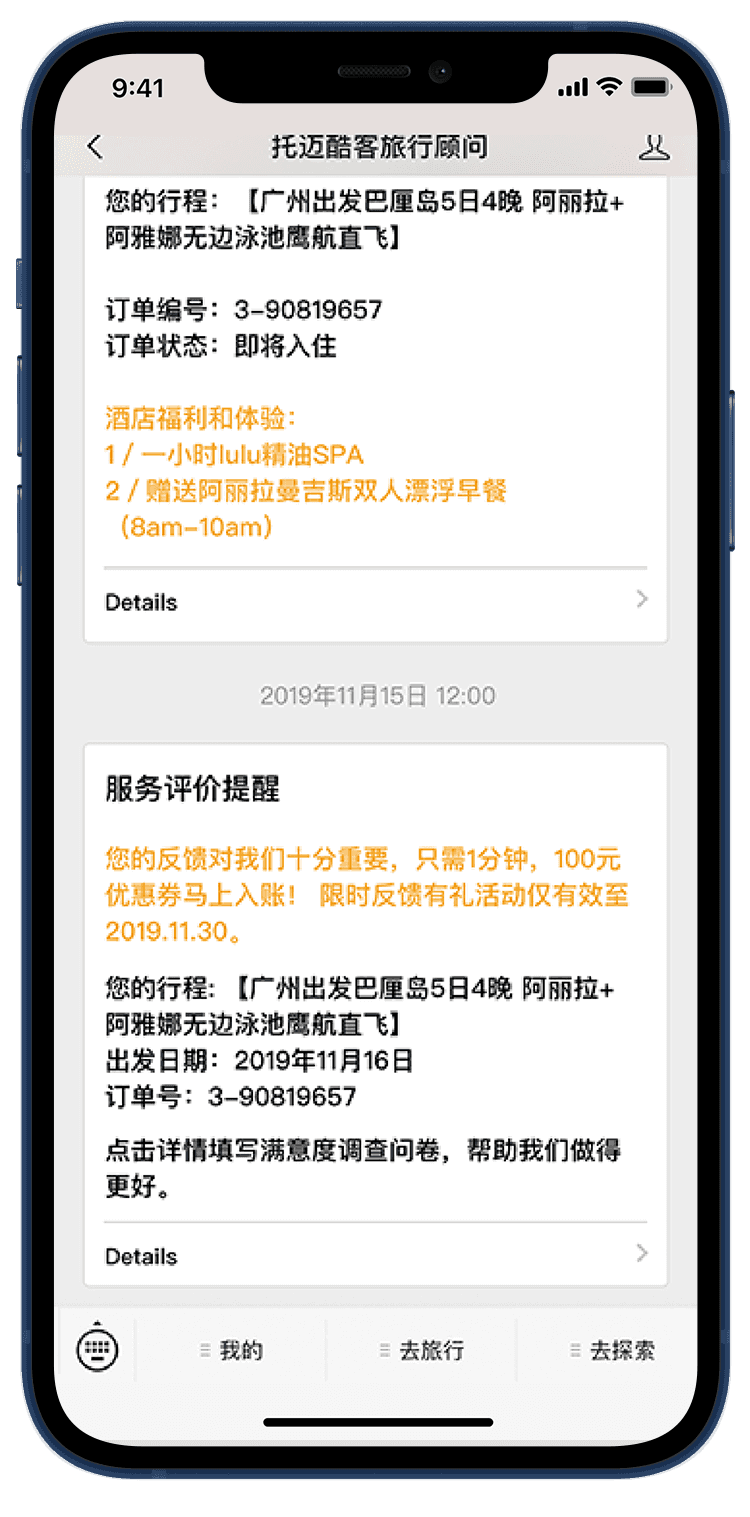
User satisfaction survey
Hotel check-in message
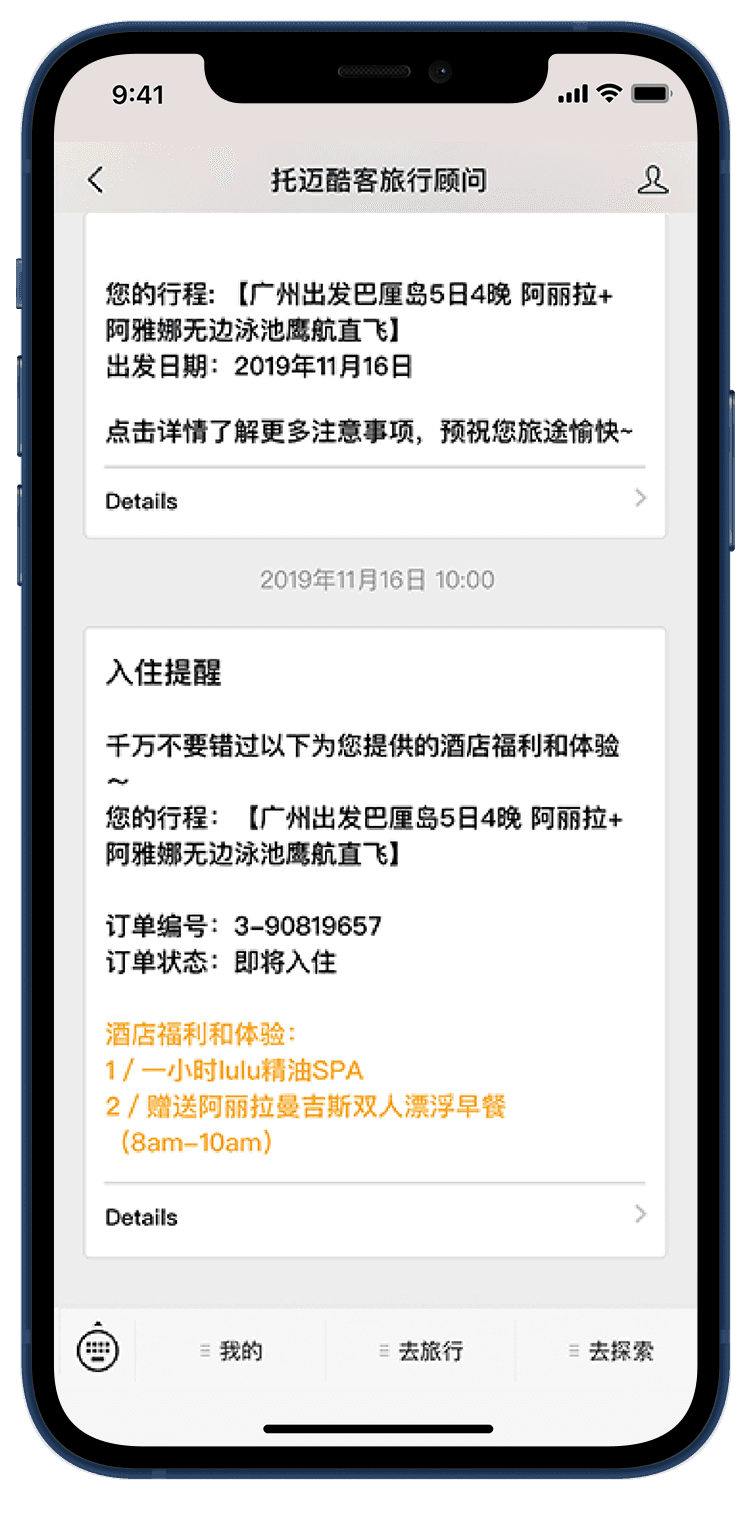
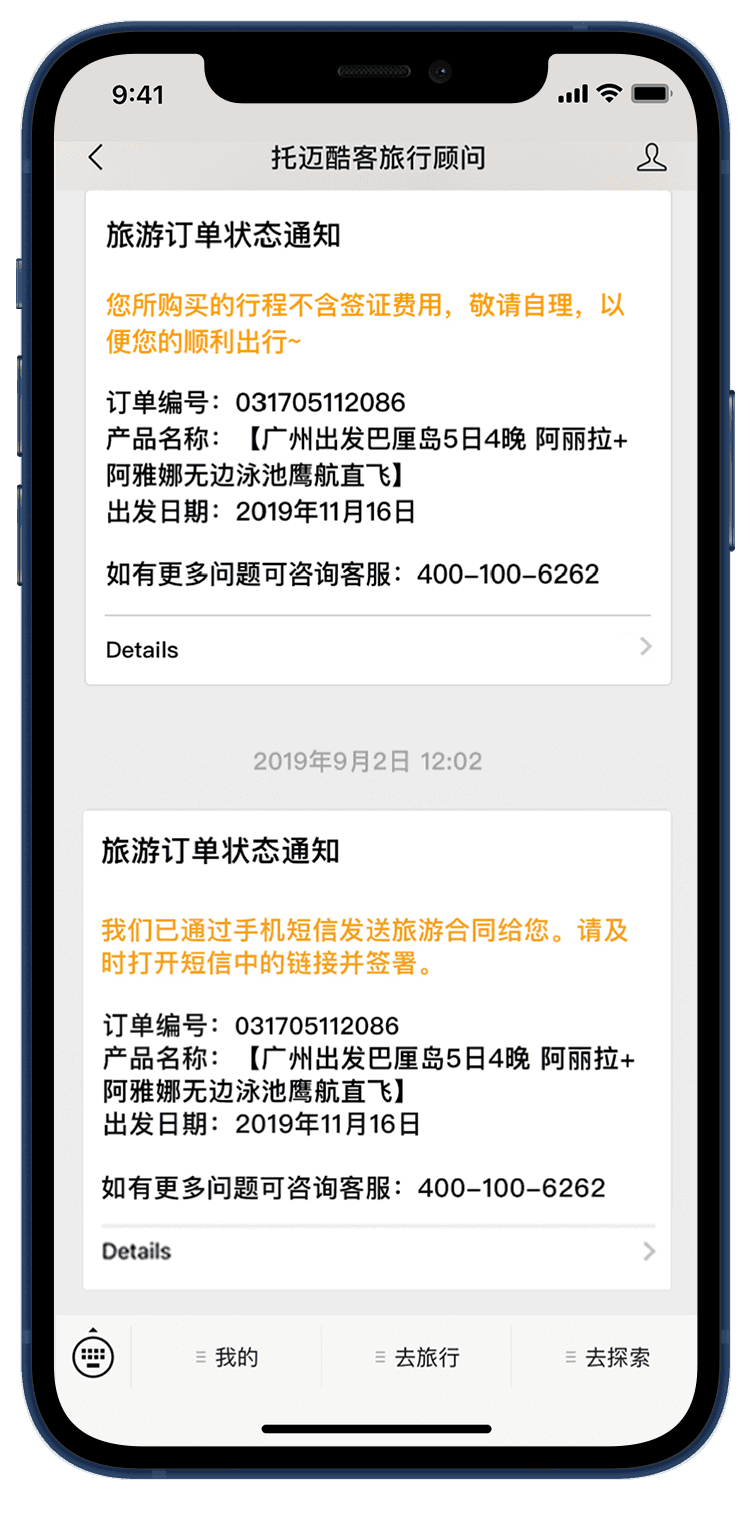
Contract message
Visa message
Confirmation letter
Confirmation letter_landing page
Pre-trip message
Pre-trip message
_landing page (See below)
About upcoming trips
message
About upcoming trips
message_landing page
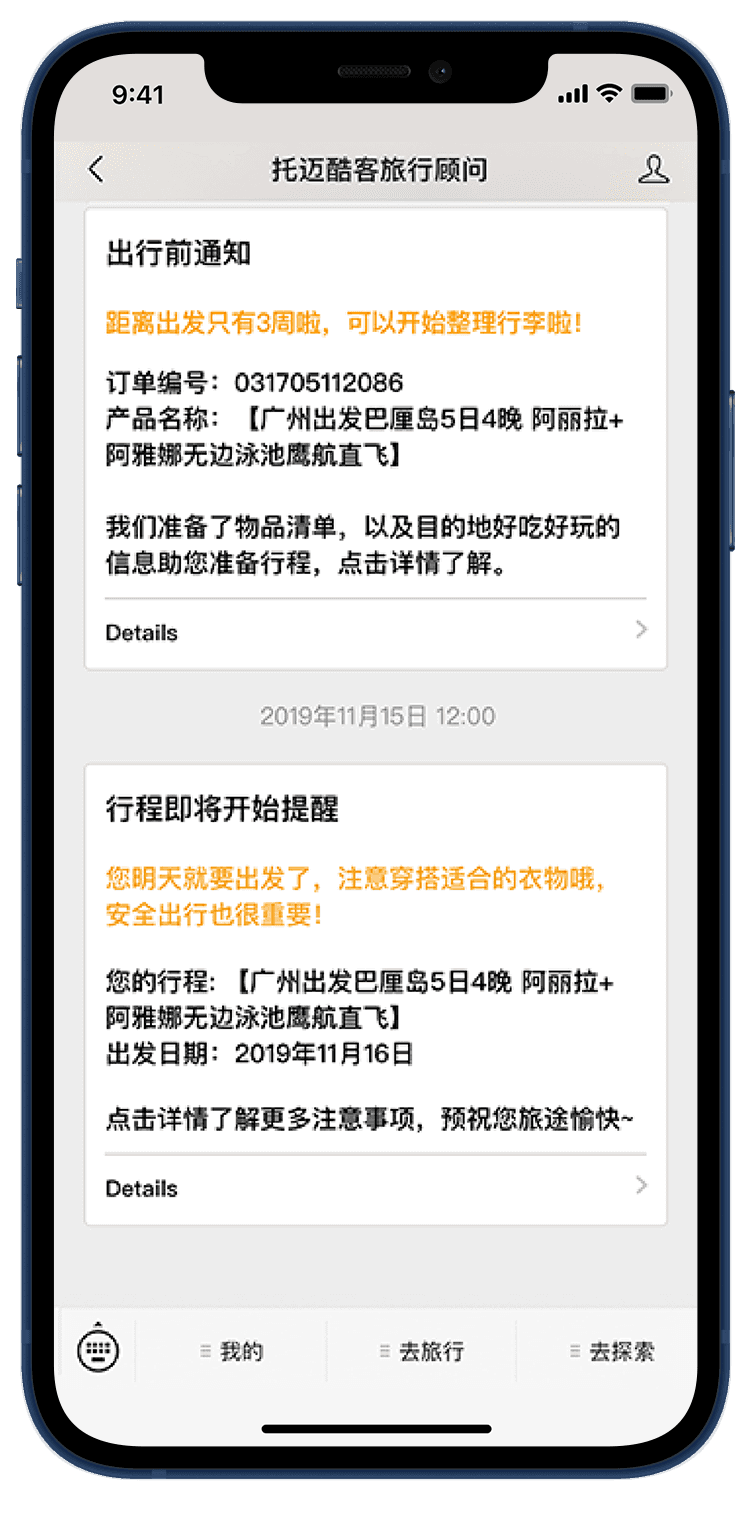
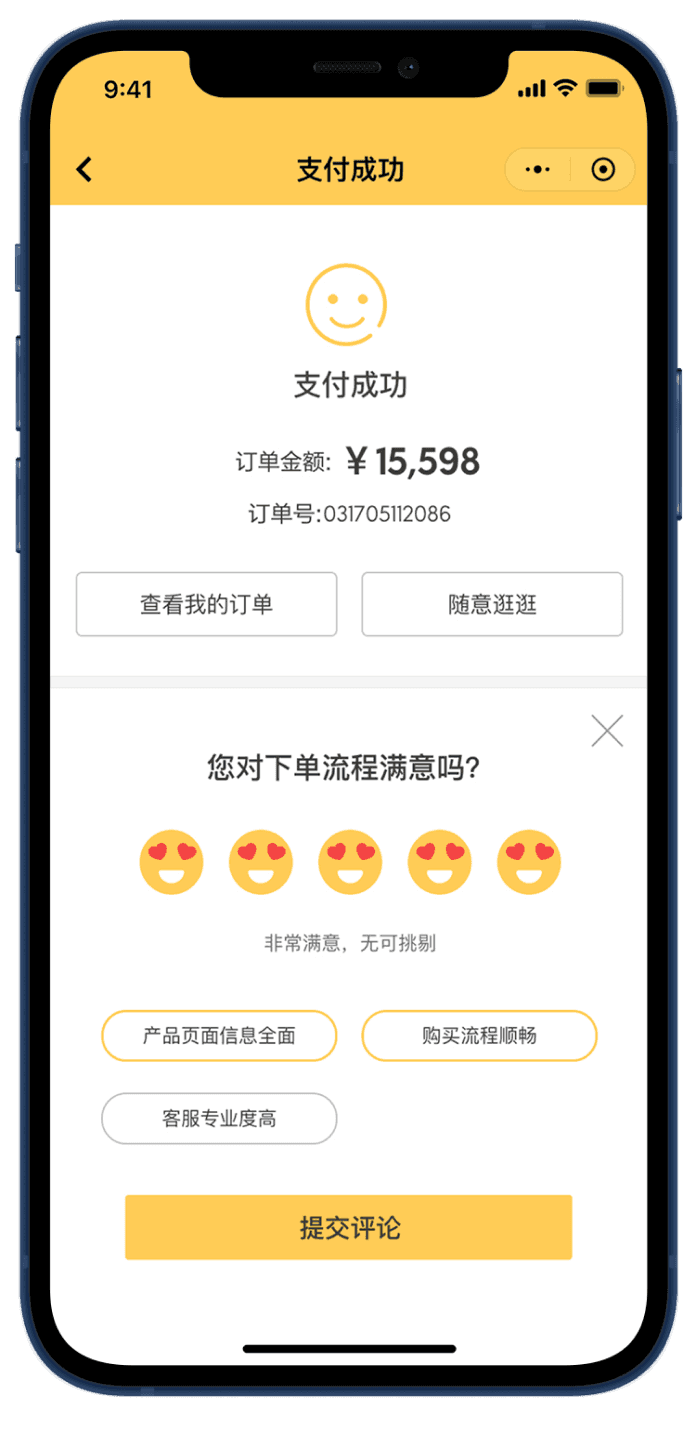
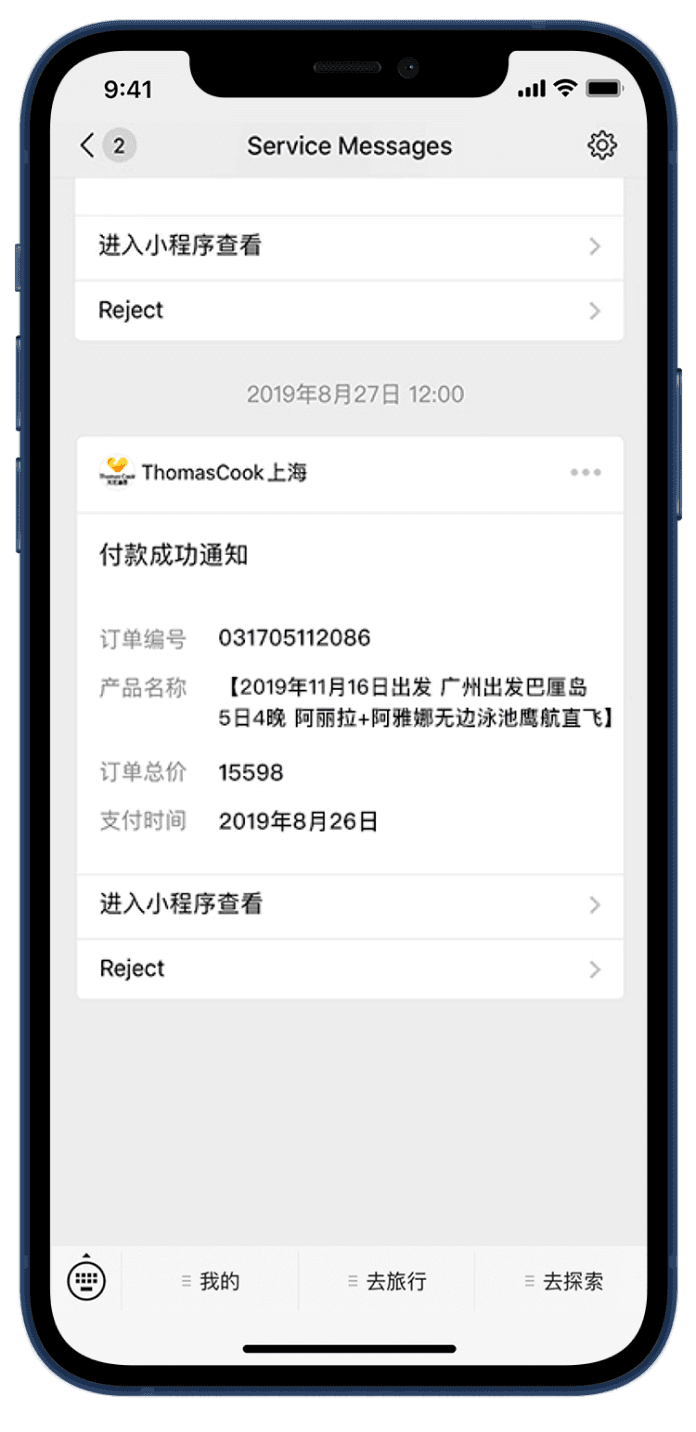
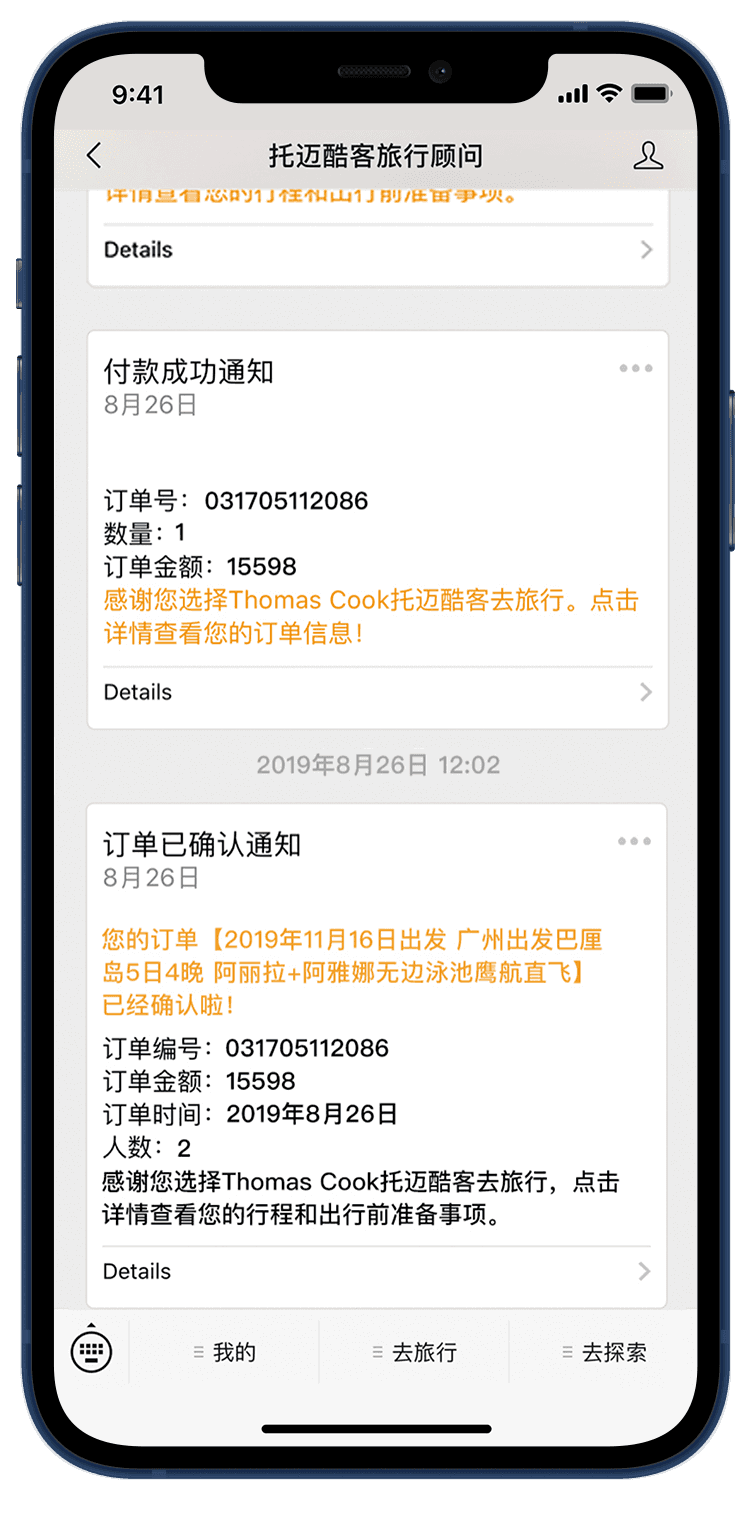
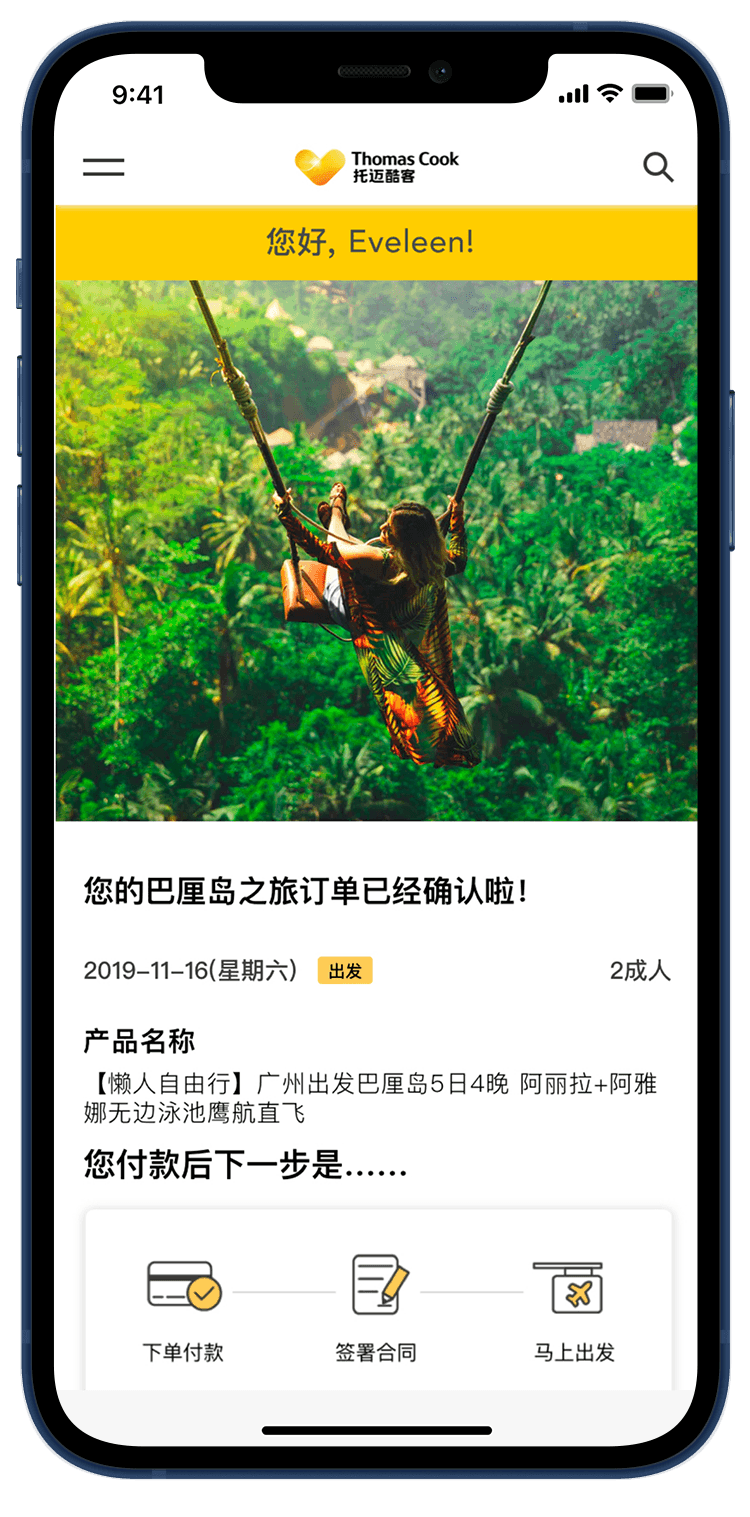
Successful payment
Successful payment message
Order confirmation message
Order confirmation message_landing page
Post-booking
Pre-departure
>
>
Post-trip
On-trip
>
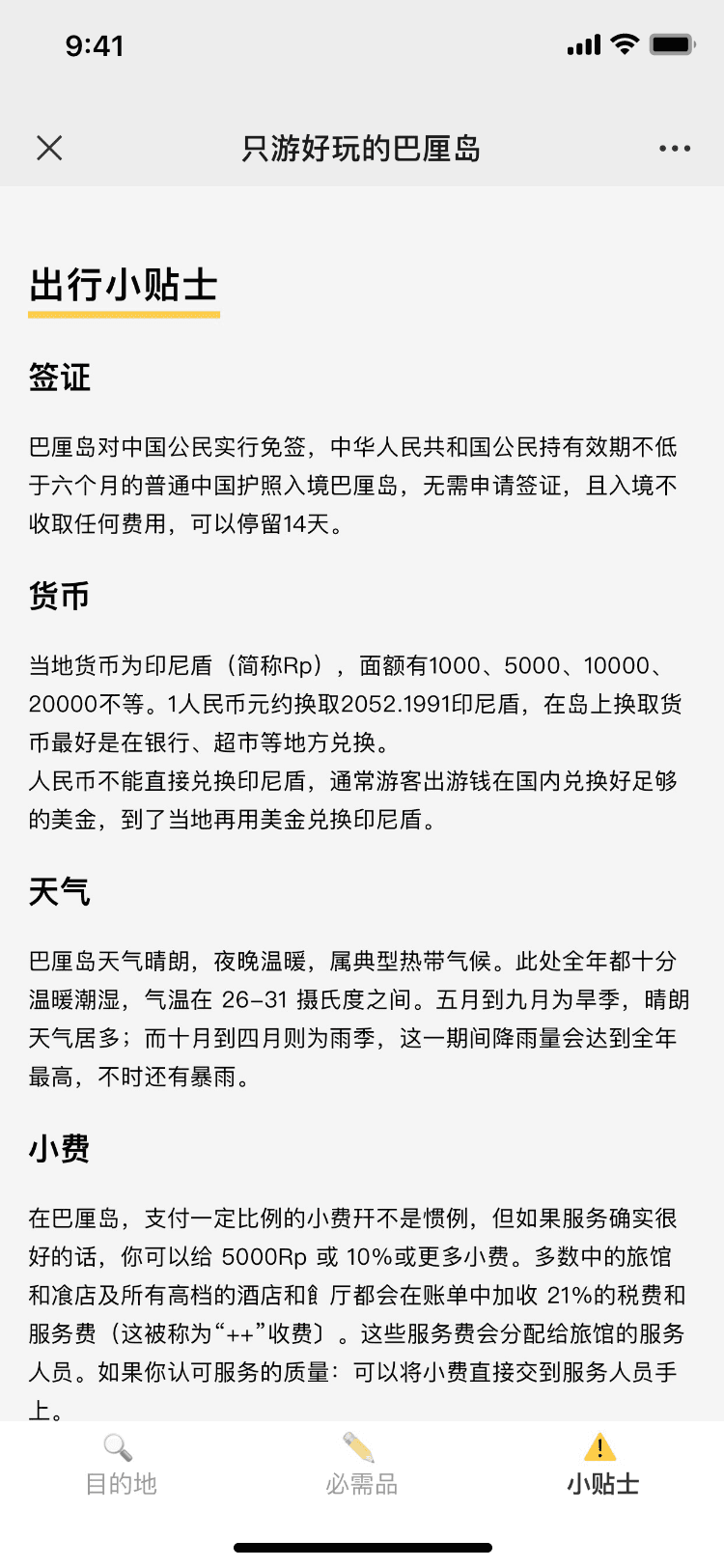
Landing Page Design — “Destination Guide” Touchpoint
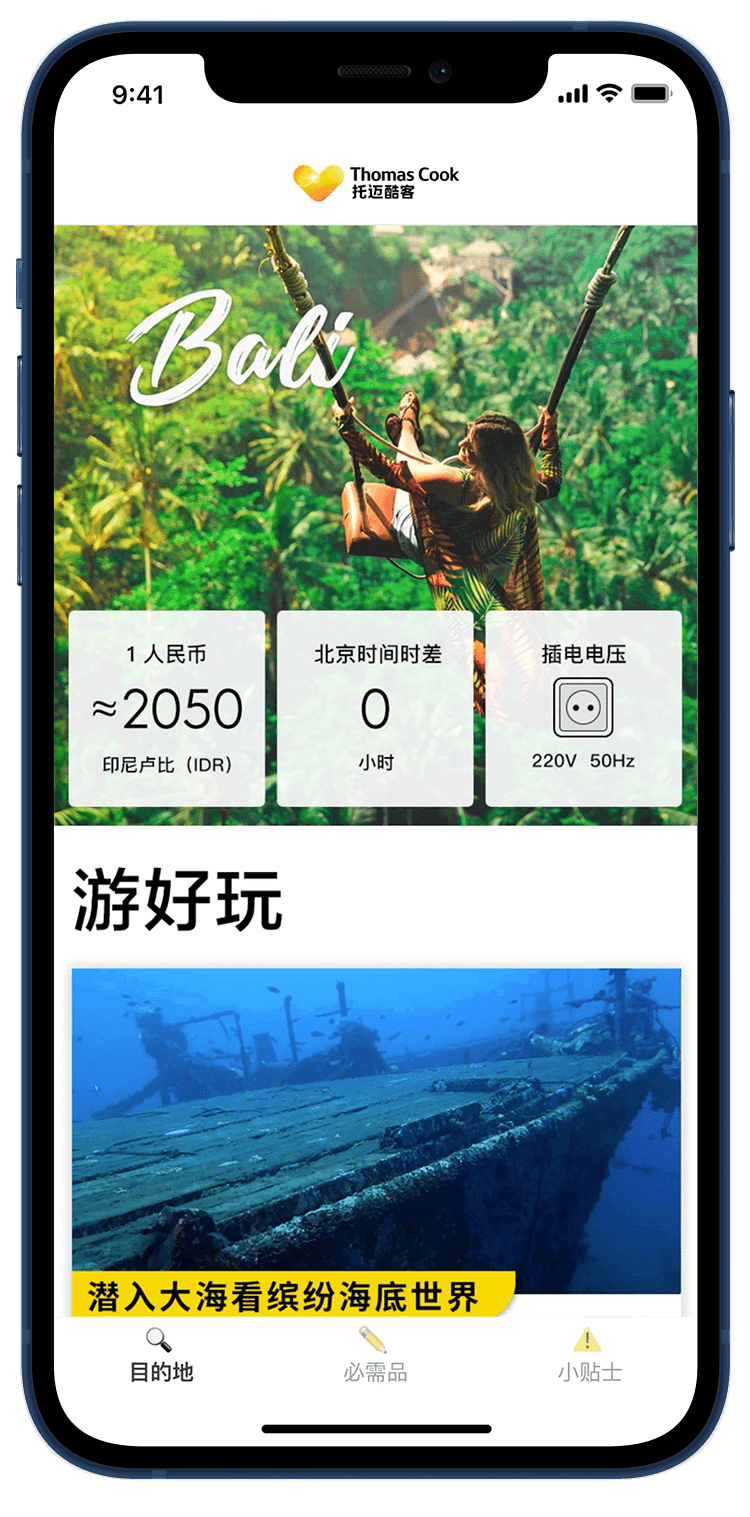
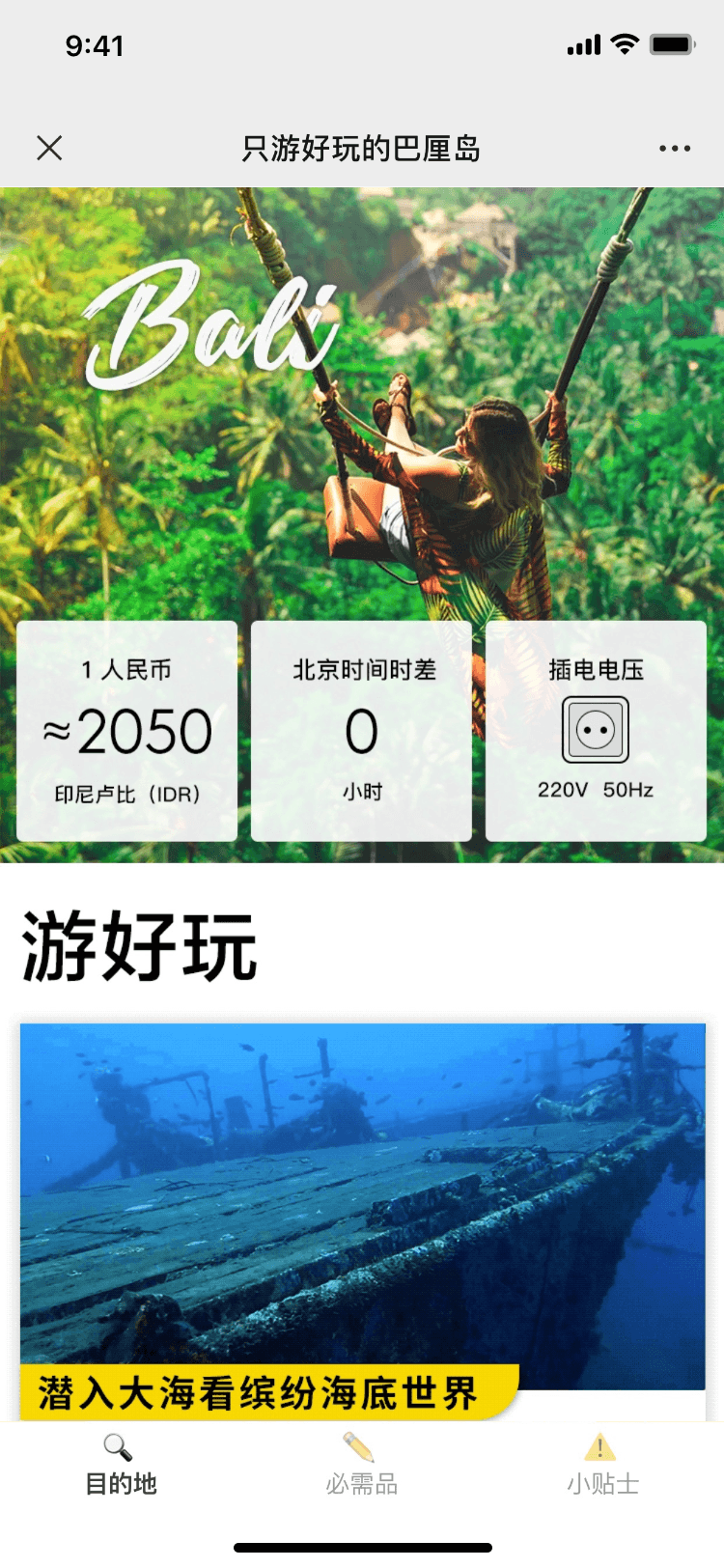
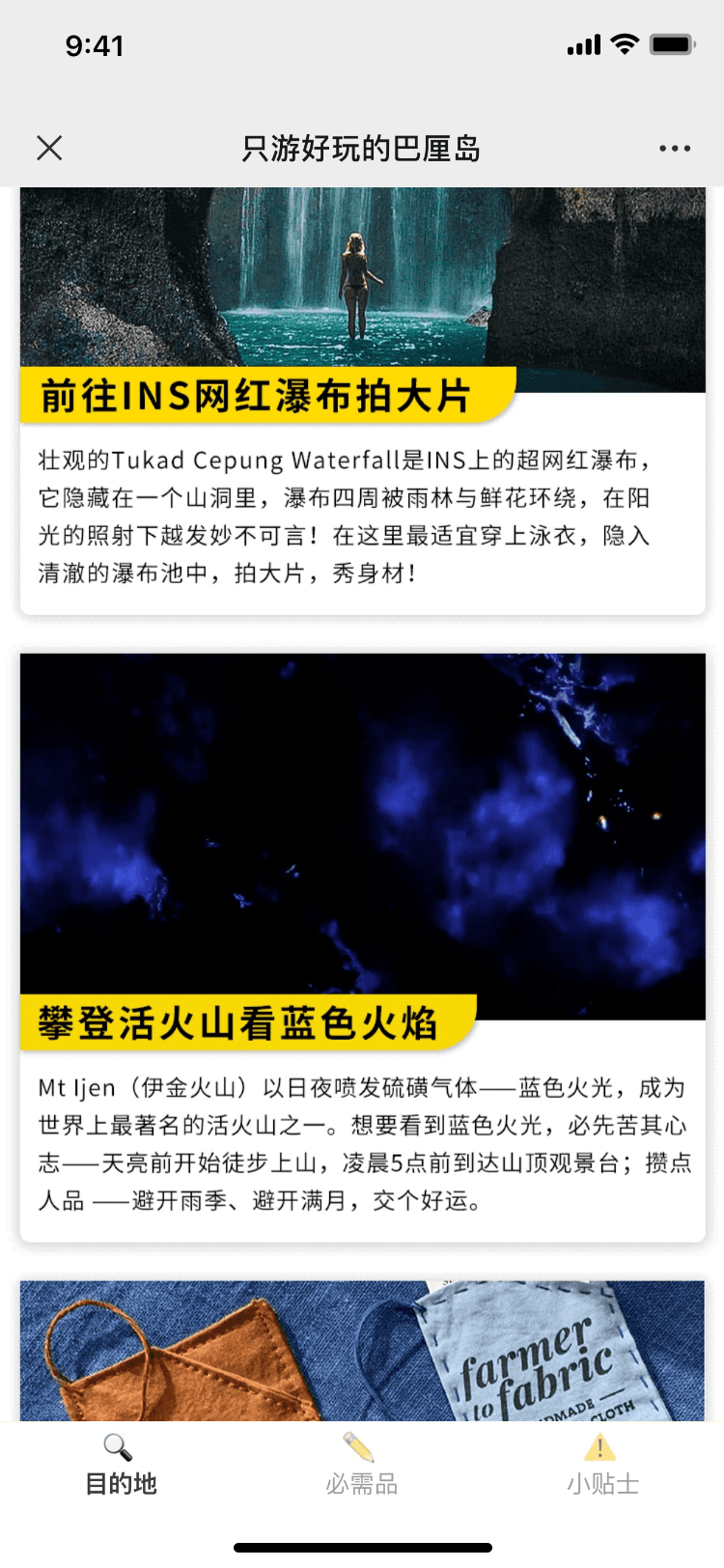
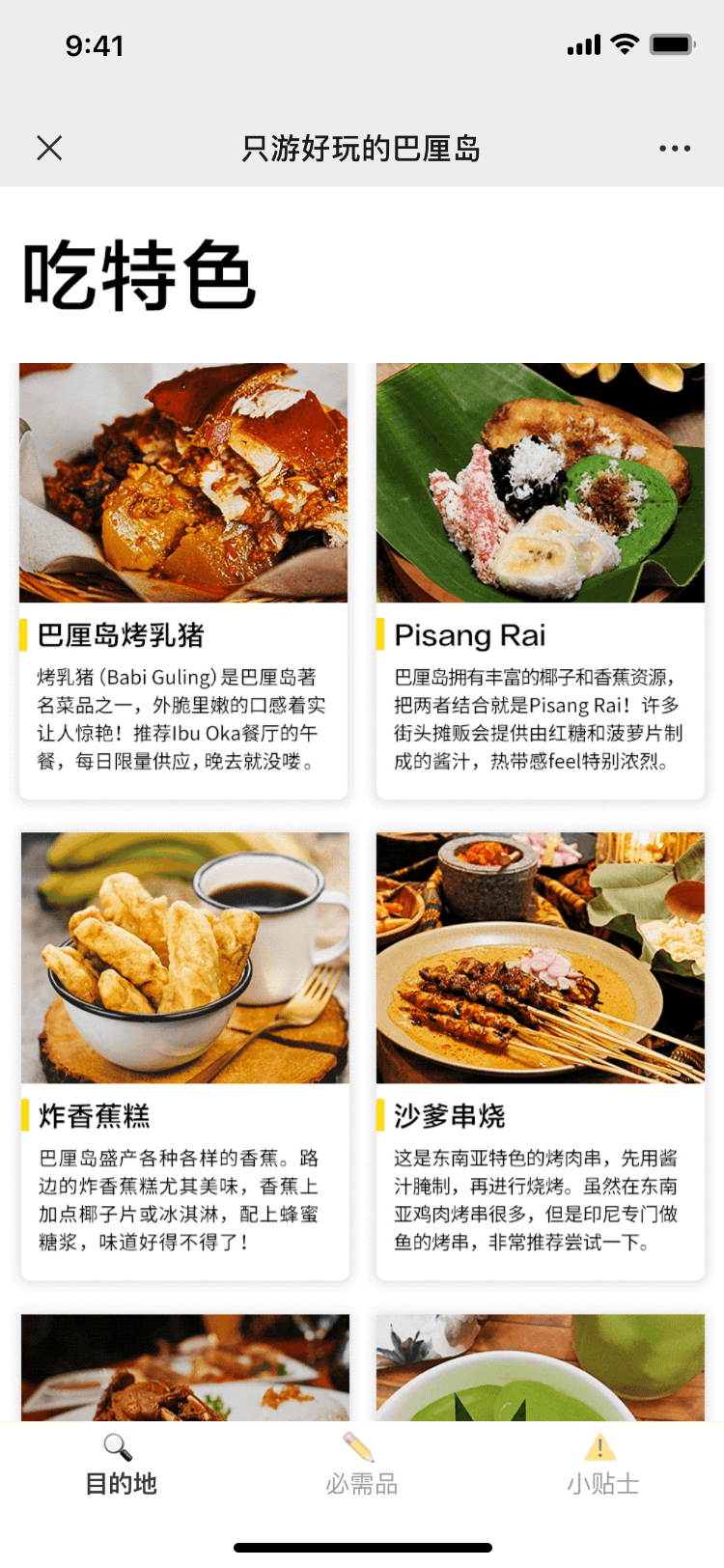
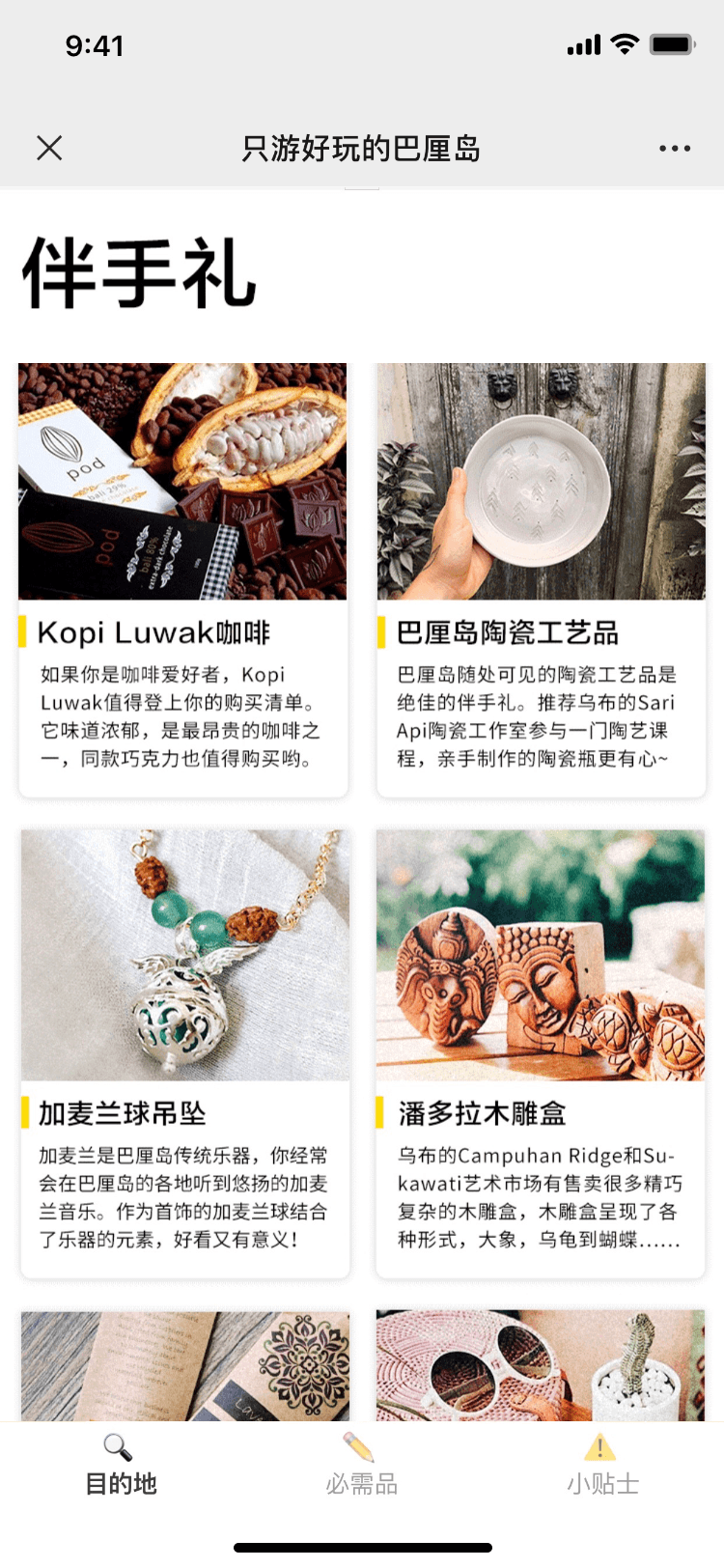
One core touchpoint was expanded into a full landing-page module: Destination Guides.
Key Features
Starts with essential overview: climate, transportation, safety, cultural etiquette
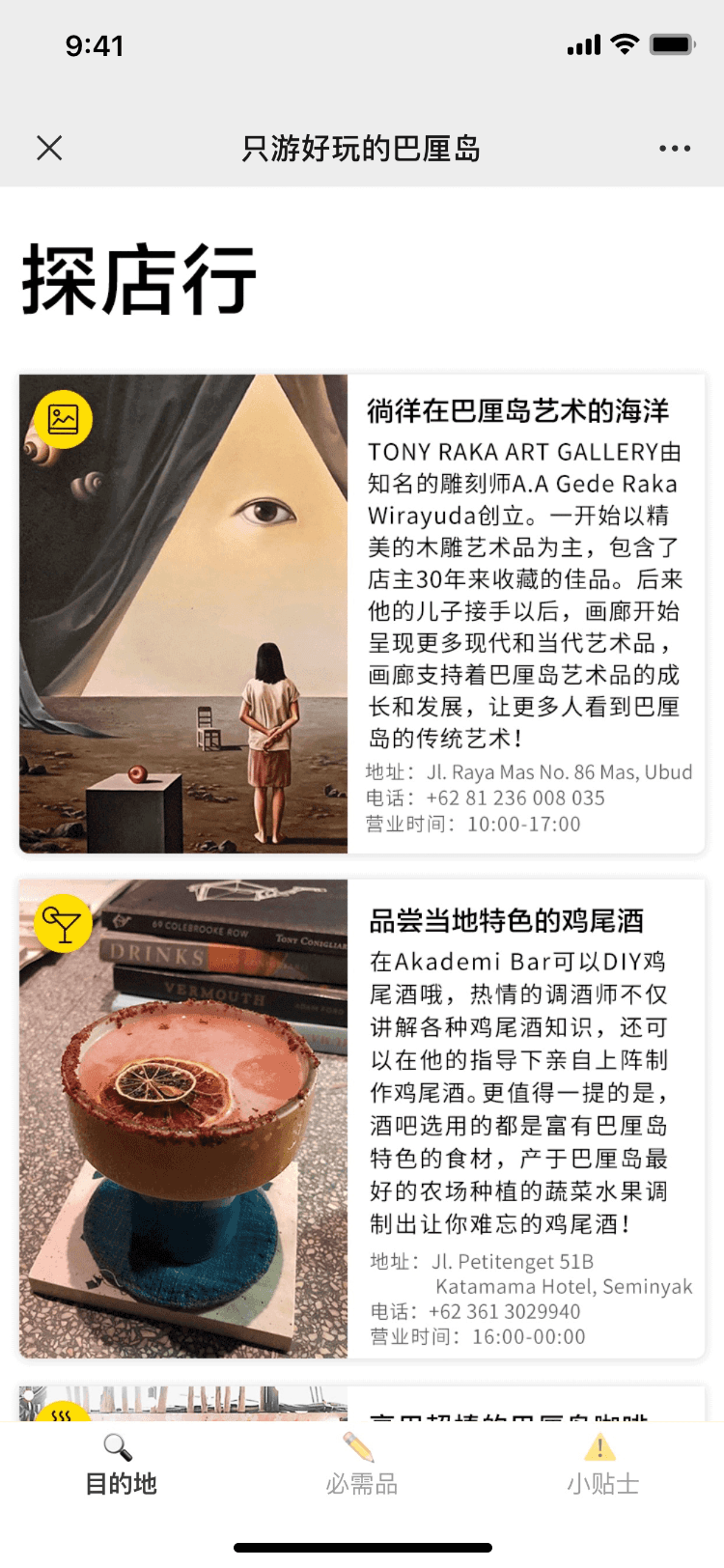
Followed by lifestyle-driven sections based on the brand’s tone:
Play / Stroll / Eat / Shop
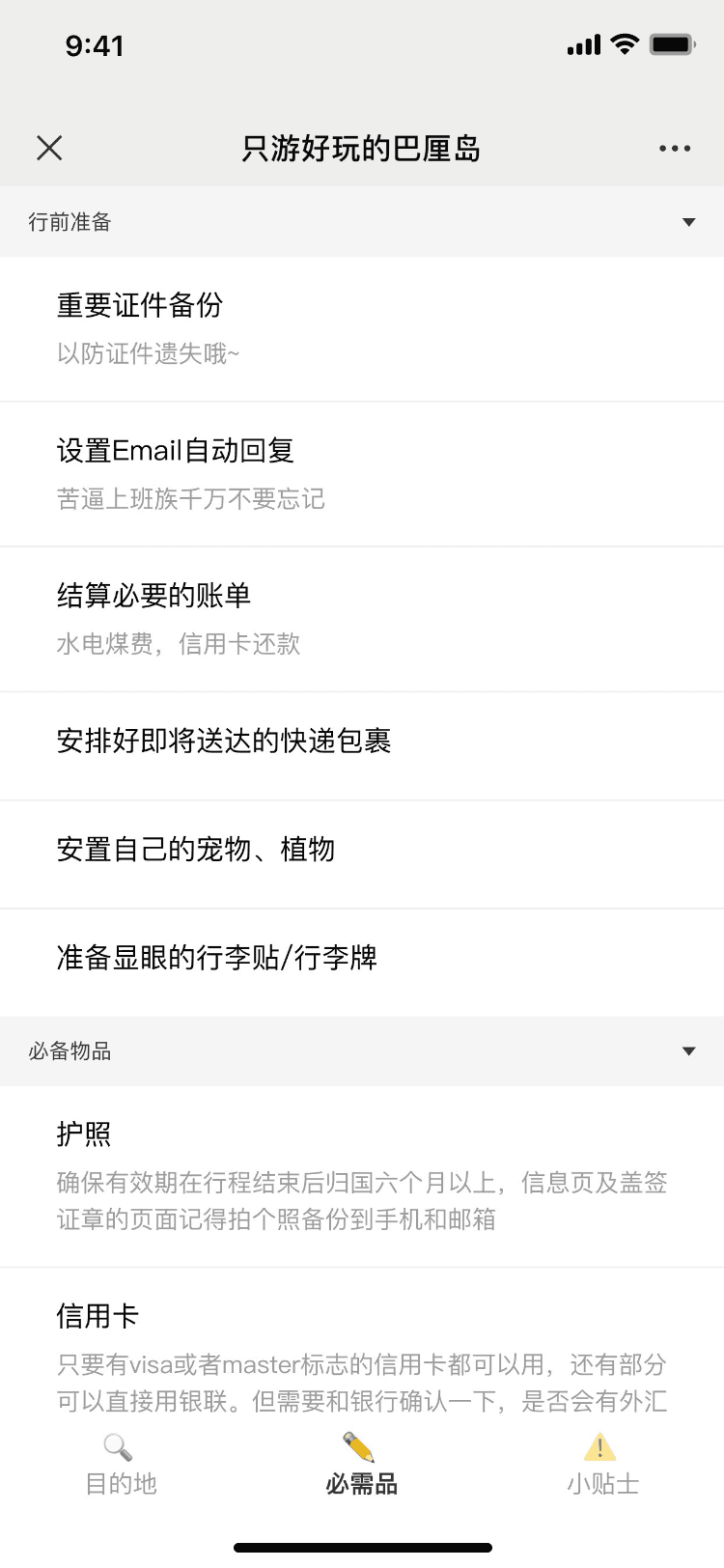
Includes a bottom tab for easy switching between essentials and local precautions
Designed to be skimmable and mobile-friendly
Outcomes
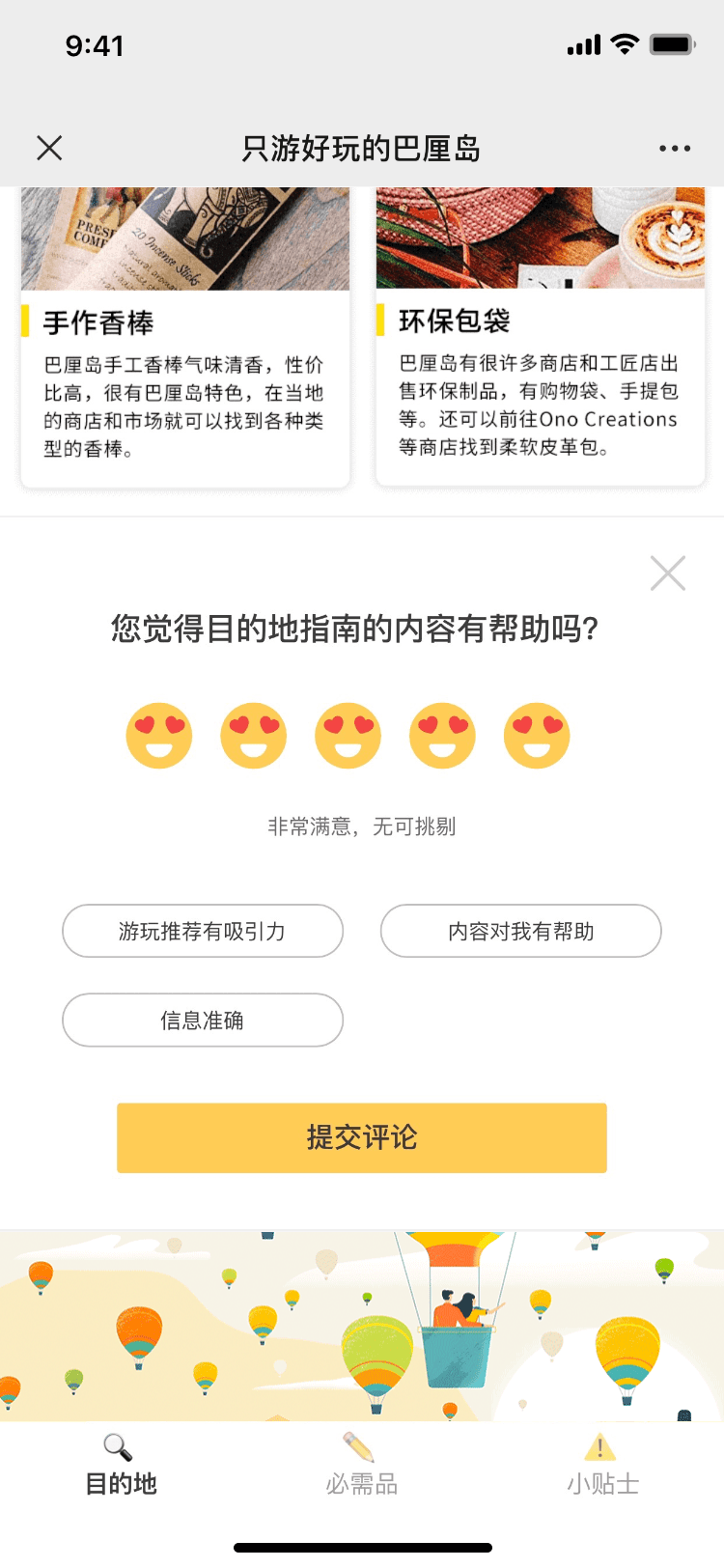
In post-usage surveys, this feature received 4.5+ out of 5 stars in user satisfaction, indicating strong usefulness and clarity.
Basic information
Niche Attractions
boutique stores
Specialty Foods
Lifestyle Souvenir
Satisfaction Survey
Essential Items
local precautions

Highlights & Impact
Structured CRM communication reduced repeated customer-service inquiries
Users reported greater confidence and clarity in their trip preparation
Cross-team collaboration became more streamlined and consistent
Destination content became both practical and distinctive, reinforcing the uniqueness of each travel product
The WeChat Mini Program matured into a reliable digital companion across the entire service journey
Reflection
This project reinforced a core belief: travel service quality is shaped by every team, not just the “service” department. One key challenge was that many internal teams didn’t initially see themselves as stakeholders in the customer journey. Helping them understand how their work affected user confidence—and how clearer processes could reduce their own workload—became essential.
Once this shared awareness formed, collaboration improved, responsibilities aligned, and decisions became more grounded in real customer needs.

I also learned that CRM customer service design is mutually beneficial:
Customers feel informed and supported
Internal teams gain efficiency
The brand delivers a more coherent, distinctive experience
Going forward, enabling co-creation earlier and establishing a shared journey view at project kickoff would accelerate alignment and reduce rework.