Service Innovation

ShoreQuest helps UK families co-create meaningful, regenerative day trips with their children, turning local quests into engaging, educational adventures that give back.
Strategic Question
How might we help families create meaningful connections with coastal communities through regenerative tourism?
Outcome
A regenerative tourism service combining digital and physical touchpoints to connect family exploration, community-led activities, and local partnerships for lasting value.
Impact
The project proposed a scalable collaboration model connecting visitors, community organisations, and destination partners around shared environmental and social value.
Preliminary Research Findings
Together, they reveal the gap between sustainable travel intentions and behaviour, the environmental case for domestic alternatives, and the motivations that make local travel meaningful.
Many UK residents want to travel more sustainably, yet most struggle to act on that intention. Limited knowledge, practical tools, and accessible alternatives continue to prevent sustainable travel from becoming everyday behaviour.
.png&w=3840&q=75)
Insights from Key Stakeholders
To understand how these challenges are experienced in practice, we spoke with families, local organisations, and destination stakeholders across the tourism ecosystem.
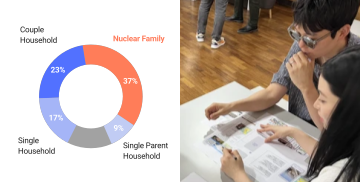
Families need simpler planning and more shared agency.
Parents value educational and bonding experiences, but limited time and fragmented information make family trips difficult to plan. Children aged 8–12 also want a more active role in choosing and shaping the journey.
Key need
Accessible Planning
Shared Agency
Meaningful Learning
While each stakeholder group described different challenges, they all pointed towards the same opportunity: enabling family travel that is easier to plan, meaningful to experience, beneficial to local communities, and practical for organisations to support. This synthesis informed how we defined our target users and shaped the service direction.
Defining Our Core Users
From our stakeholder research, two core user groups emerged as the primary focus for the service. Their needs shaped both the experience and the design direction that followed.
Young Family

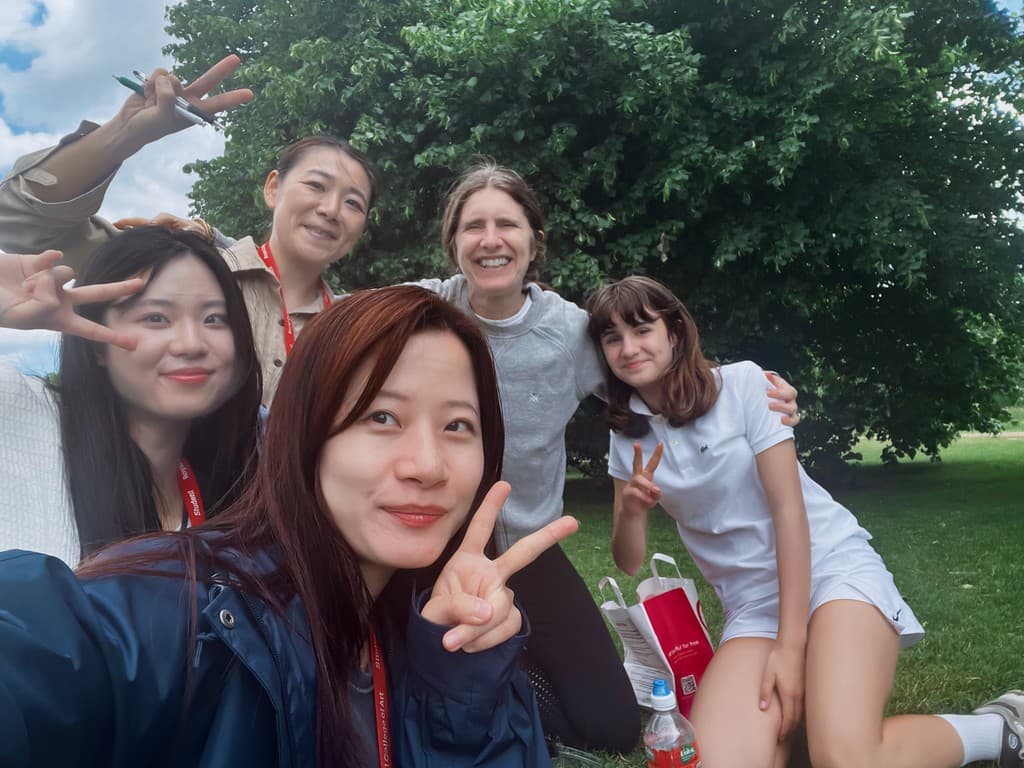
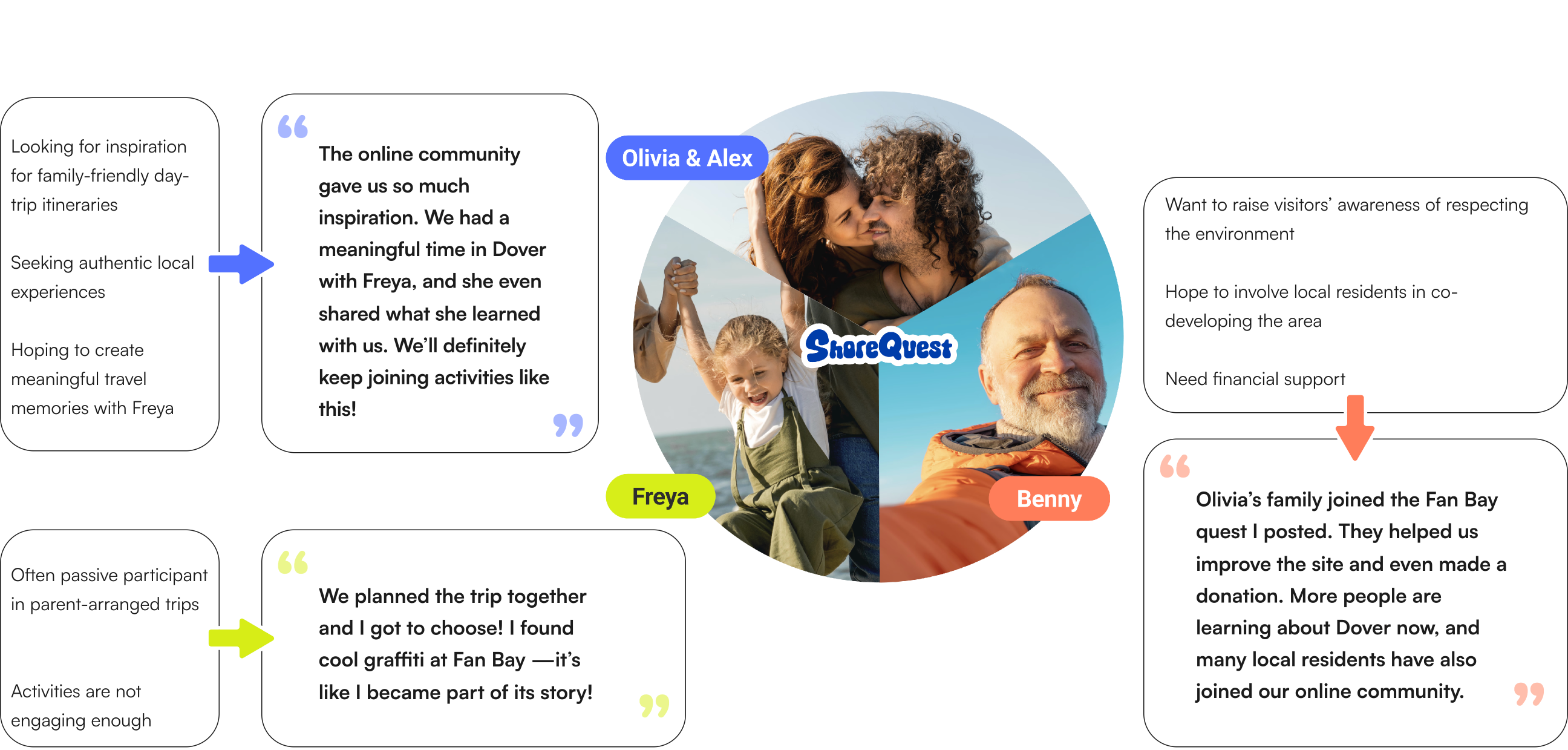
Olivia (36), Alex (38), and their daughter Freya (10) live in central London. As busy working parents, they struggle with accessible planning for sustainable family trips. Freya wants shared agency in shaping the journey, while her parents hope every outing becomes an opportunity for meaningful learning rather than passive sightseeing.
“We want meaningful family experiences, but planning sustainable and educational trips is difficult with limited time and fragmented information.”
Mapping planning, participation, discovery, and reflection across a typical family day trip.
Local Resident

Benny, a longtime National Trust staff member at the White Cliffs of Dover, has cared for the site for over 15 years. Passionate about conservation, he believes tourism should strengthen community participation while supporting local regeneration. However, with most visitors simply passing through, he needs a scalable framework that enables organisations to engage families in meaningful, place-based experiences.
“I want visitors to connect with the place while supporting its heritage, community, and long-term care.”
What we learned
Parents
Need confidence, simplicity, and trusted ways to plan.
Children
Want curiosity, participation, and meaningful learning.
Communities
Need visitors who contribute, not just consume.
Designing for only one of these needs would never create a regenerative travel experience.
How might we connect family exploration with community regeneration through meaningful day-trip experiences?
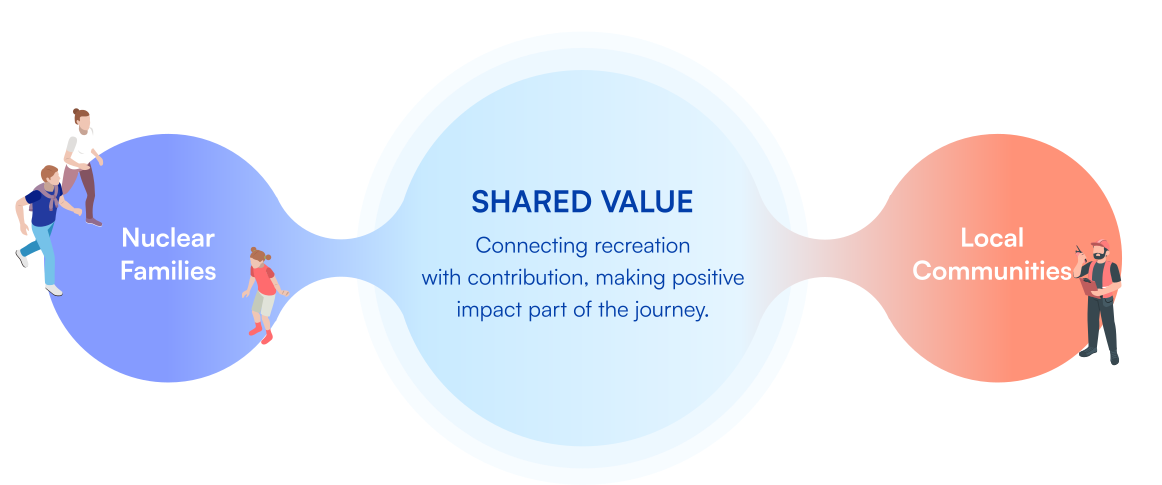
To explore how this shared-value model could work in practice, we focused on UK coastal towns—where family day trips, seasonal visitor flows, environmental pressures, and local livelihoods closely intersect. The coast became our starting point for developing an adaptable model that could later extend to other destinations.
Turning Shared Value into a Service
ShoreQuest is a digital platform that connects families with local communities through regenerative day-trip experiences—helping families co-create meaningful journeys while enabling communities to share activities that generate local value.
One Platform, Two Ways to Participate
Family Explorer Mode
Helps parents and children plan trips together through simple, interactive choices.
Community Organizer Mode
Helps local communities create activities that encourage visitors to learn, participate, and contribute.
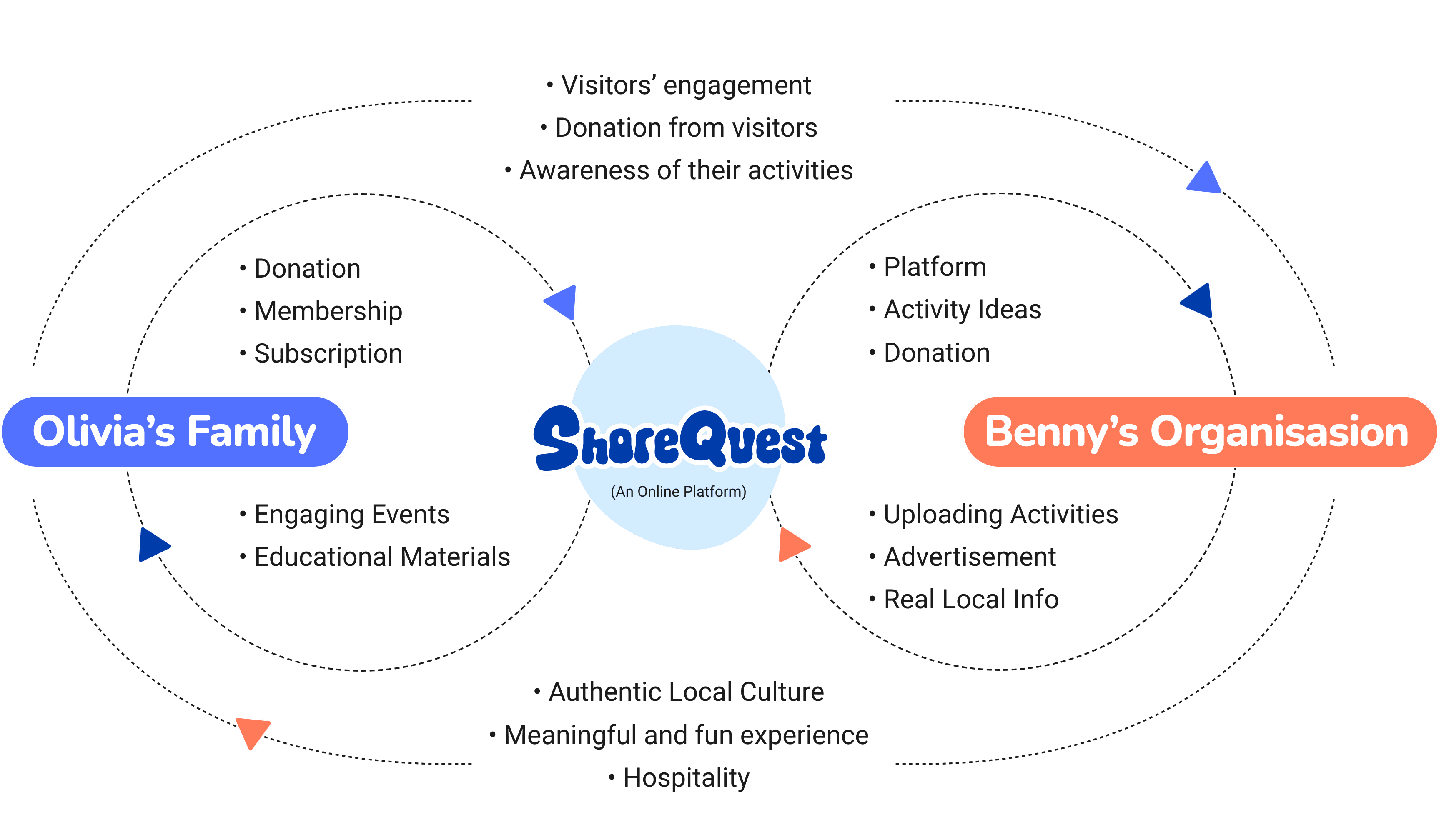
All activities are designed to be child-friendly, using tangible artefacts to strengthen family connection and participation during the trip. Through these dual pathways, ShoreQuest becomes a bridge between meaningful family experiences and community regeneration.
Validating ShoreQuest in Practice
We tested ShoreQuest through digital and physical prototypes with families and local stakeholders. Their feedback helped us validate the core service model and identify what needed further refinement.
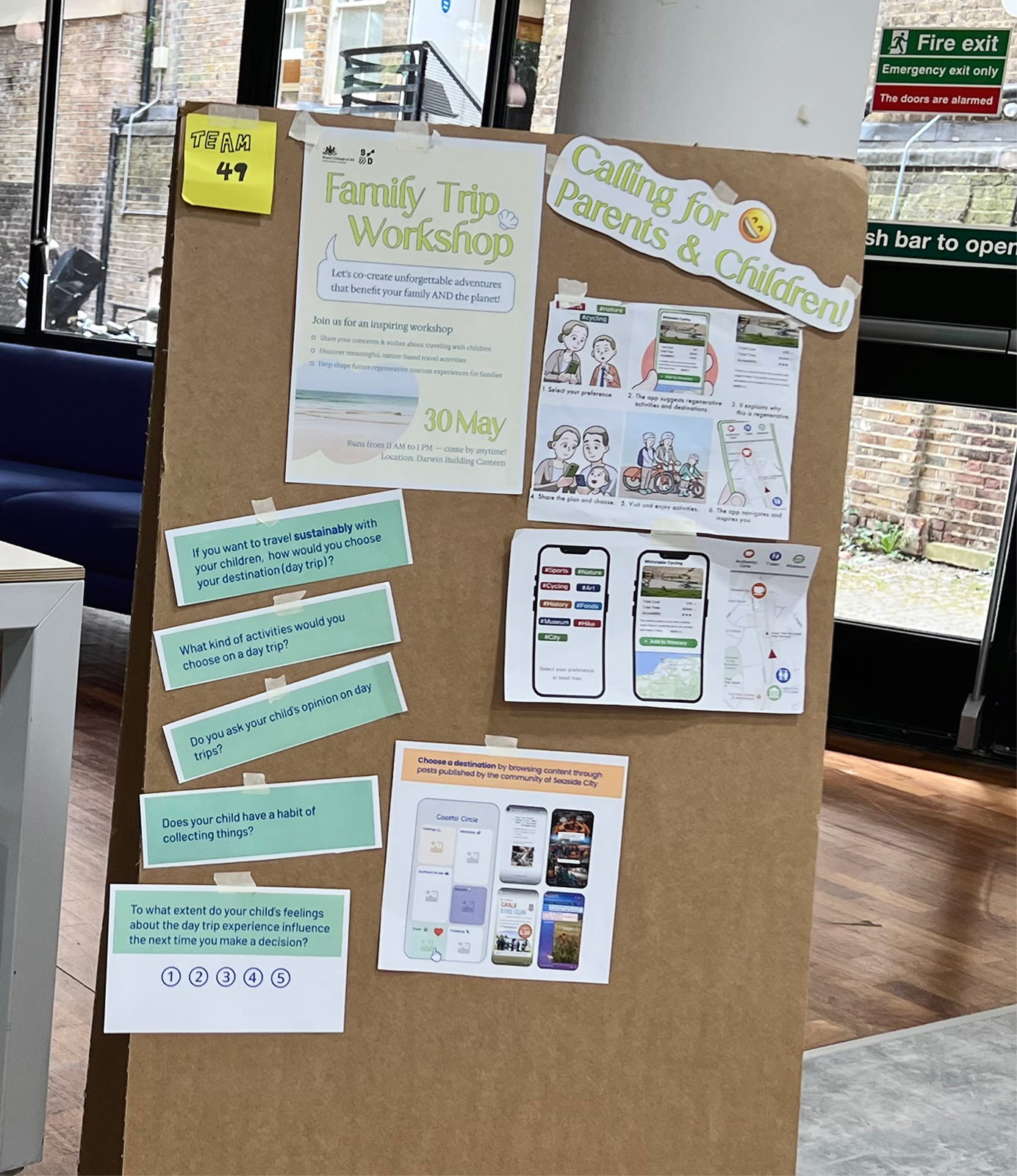
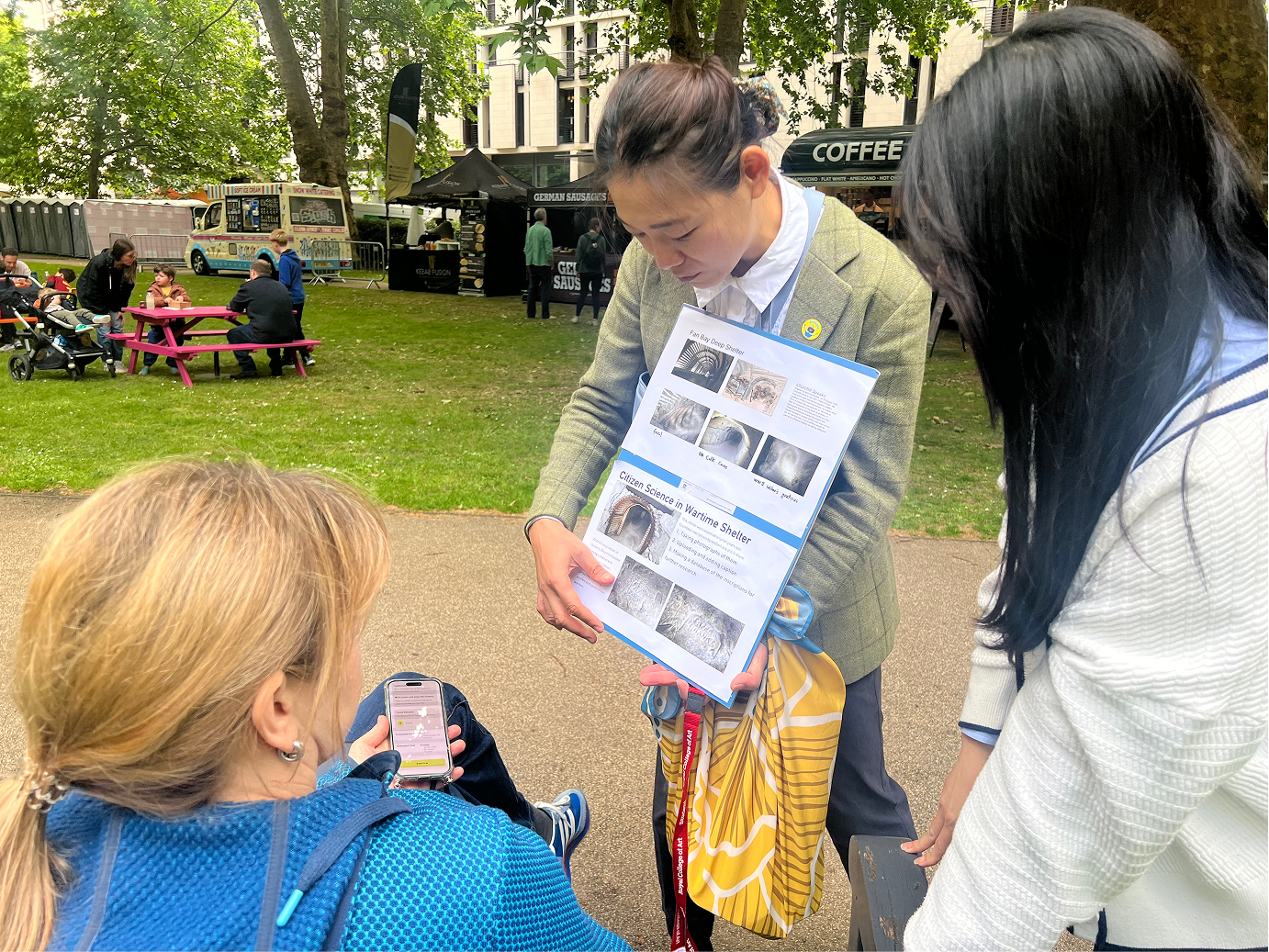
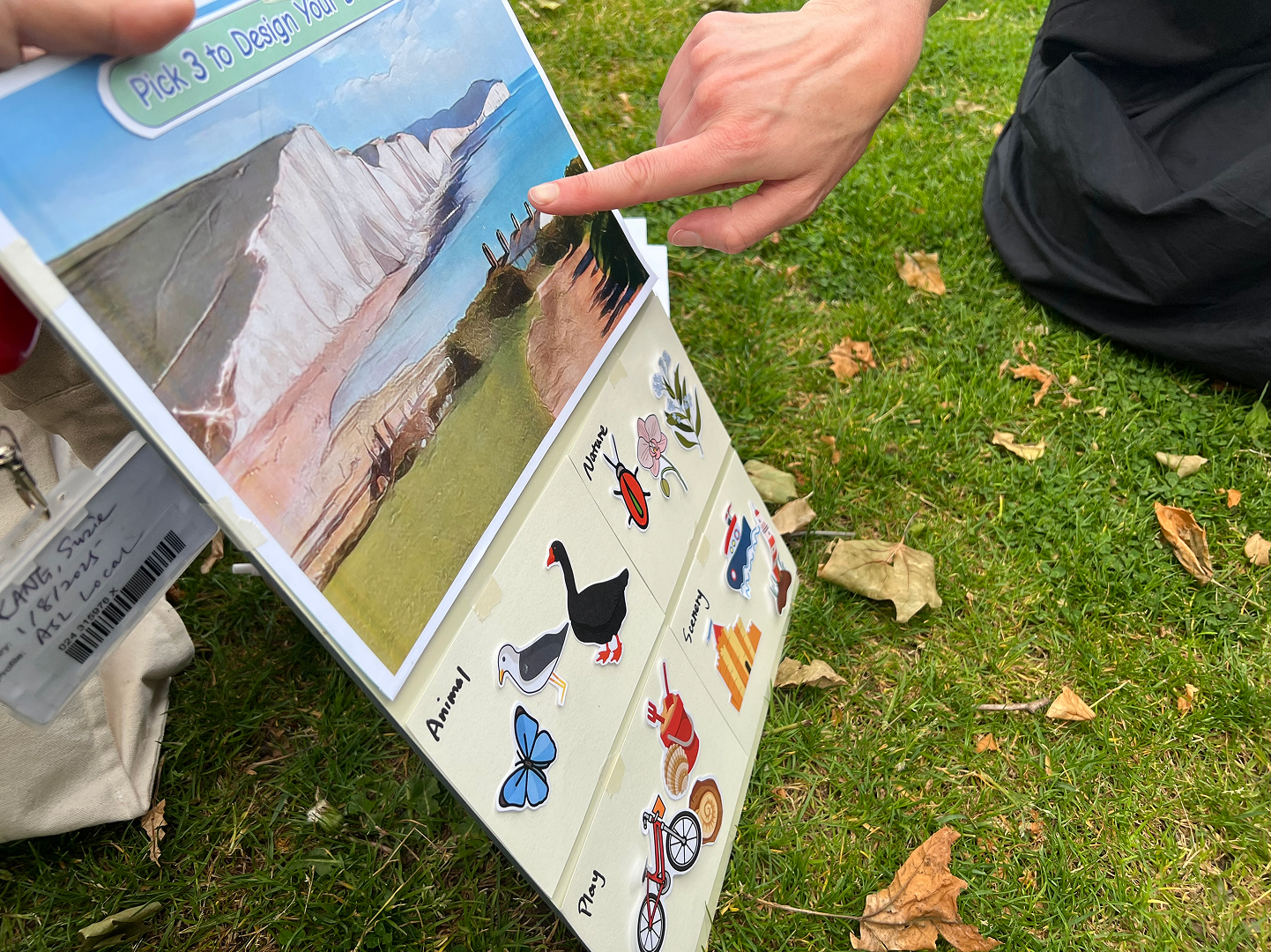
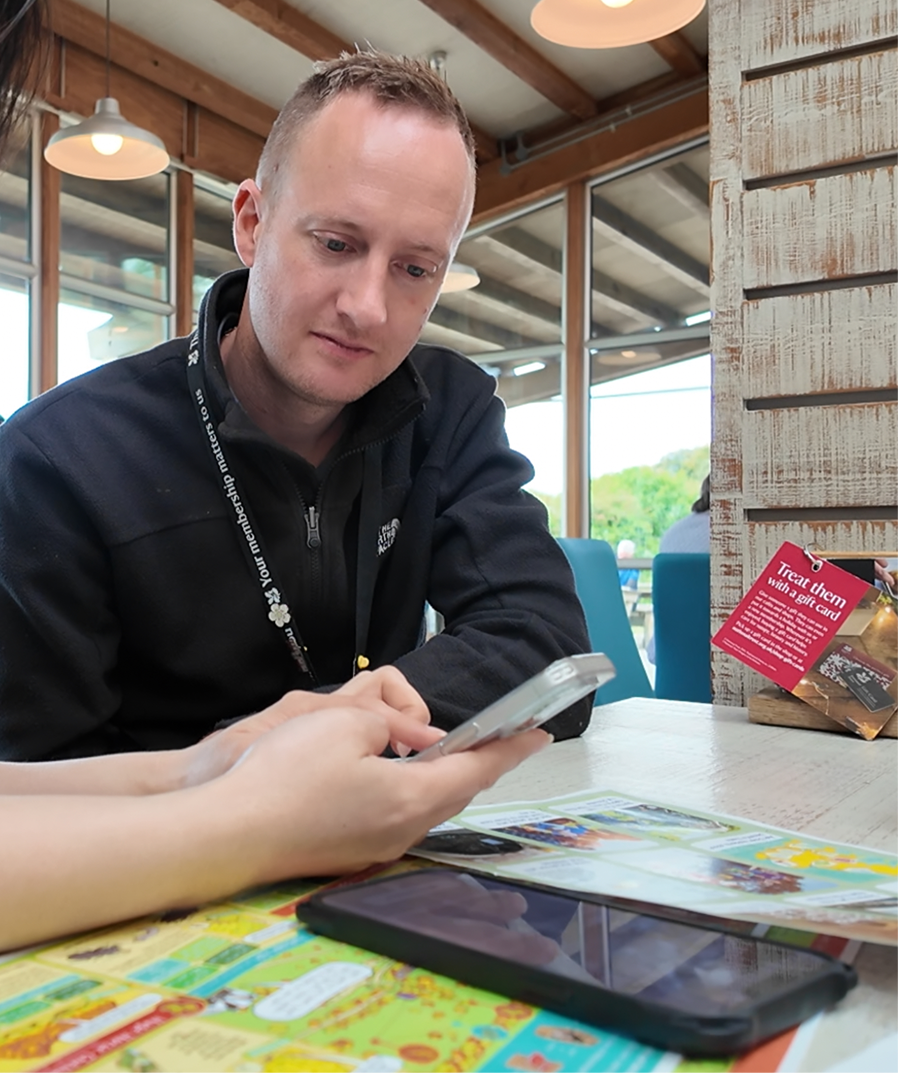
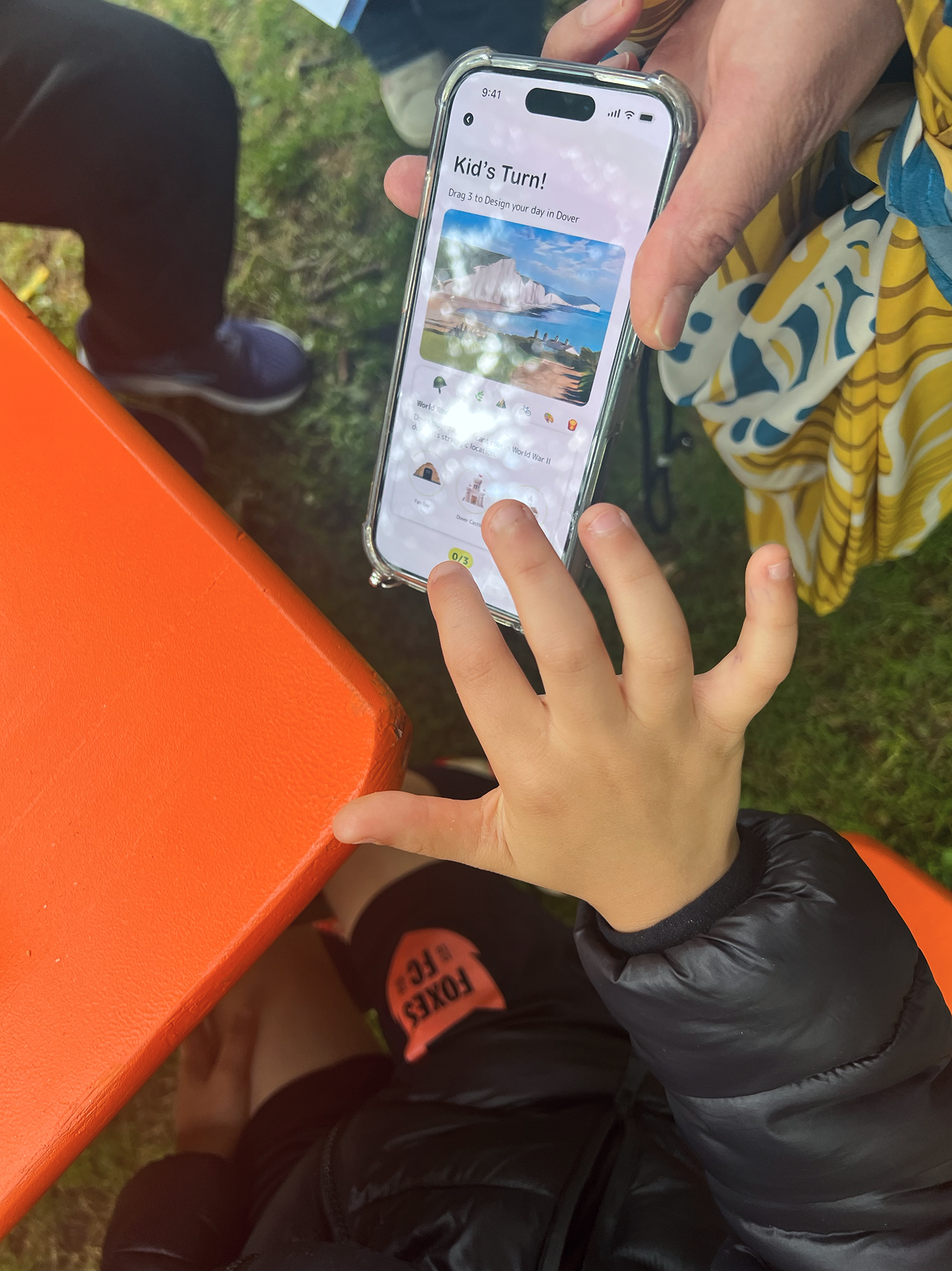
WHAT THE TESTING REVEALED
Children needed deeper engagement
Co-planning worked, but the learning experience needed to move beyond simple gamification.
The economic model required refinement
Stakeholders saw value in the platform but questioned the financial realities for local partners.
Physical artefacts strengthened understanding
Tangible materials helped families and stakeholders understand and discuss the service more easily.
From Local Knowledge to a Family Journey
Local organisers use ShoreQuest to share activities rooted in their place, knowledge, and community needs. Once reviewed, these experiences become available for families to discover, plan, and take part in.

In Dover, Benny sees the effects of coastal erosion and limited community participation firsthand.
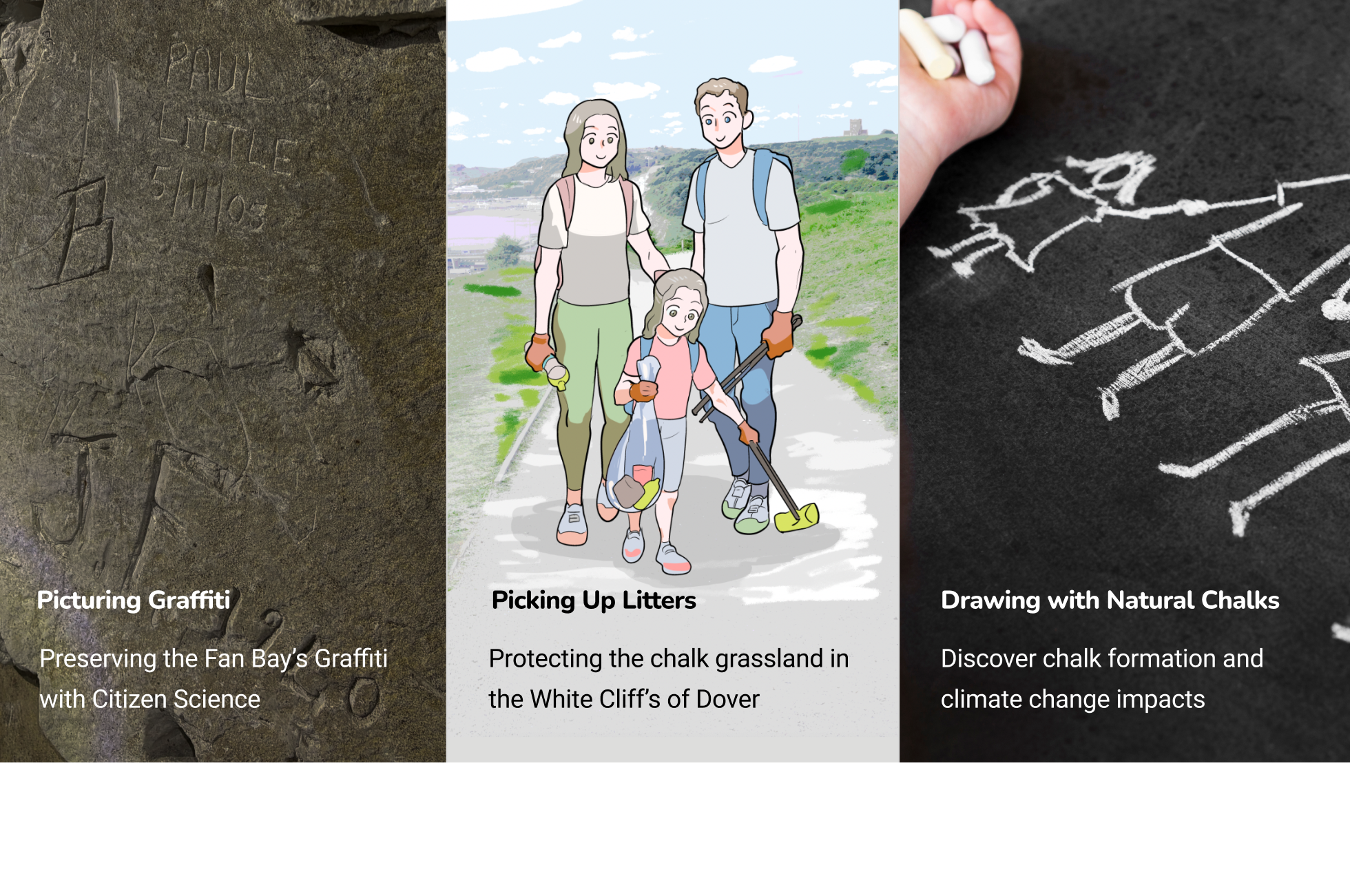
Through ShoreQuest, he can create family-friendly activities that share local knowledge, support conservation, and invite visitors to contribute.
Once reviewed, these activities become available for families like Olivia’s to discover and join.
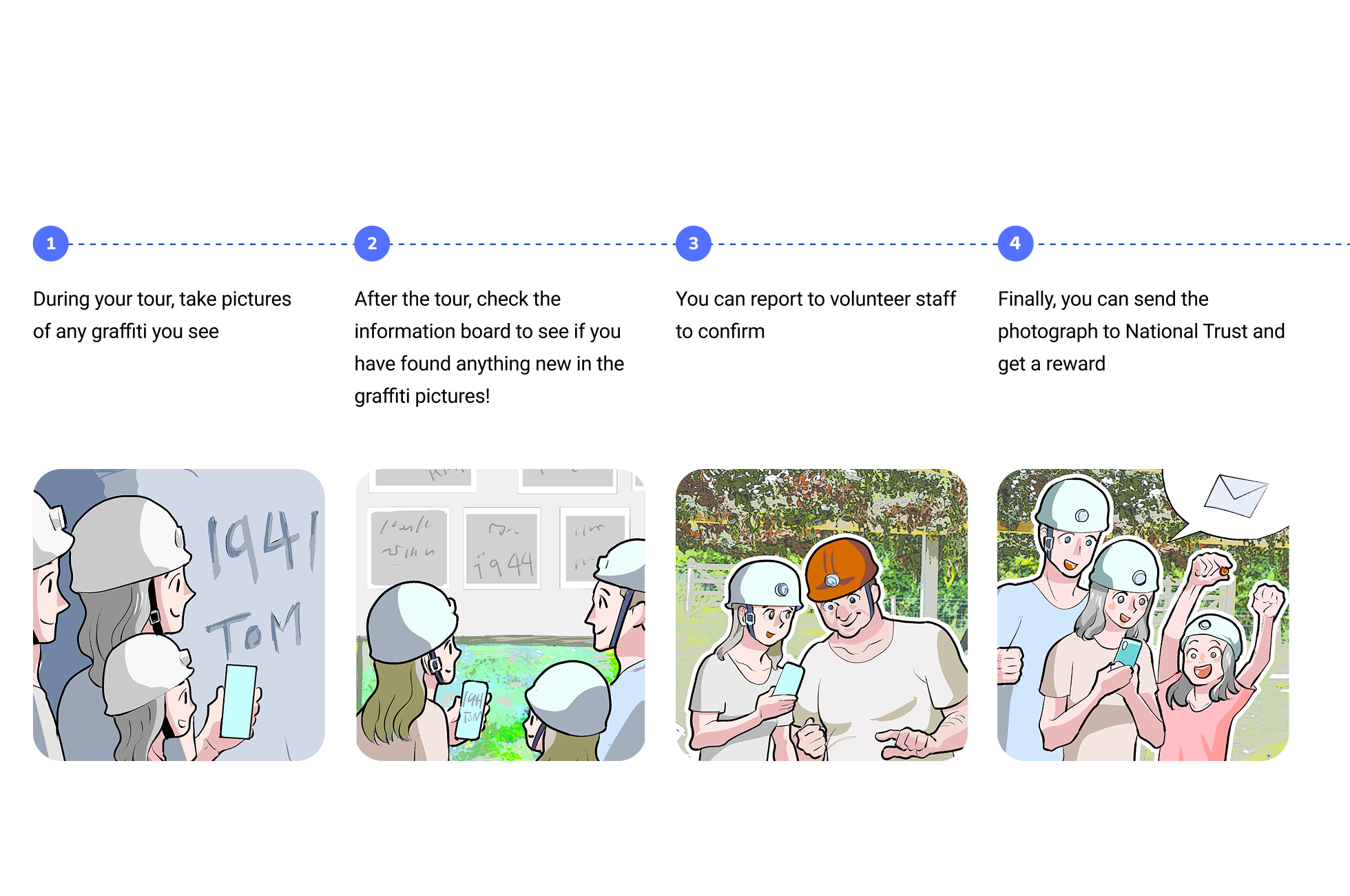
The following story shows how one locally created activity becomes part of Olivia’s family day trip-from planning at home to participating on-site.
How ShoreQuest Works
Planning starts together
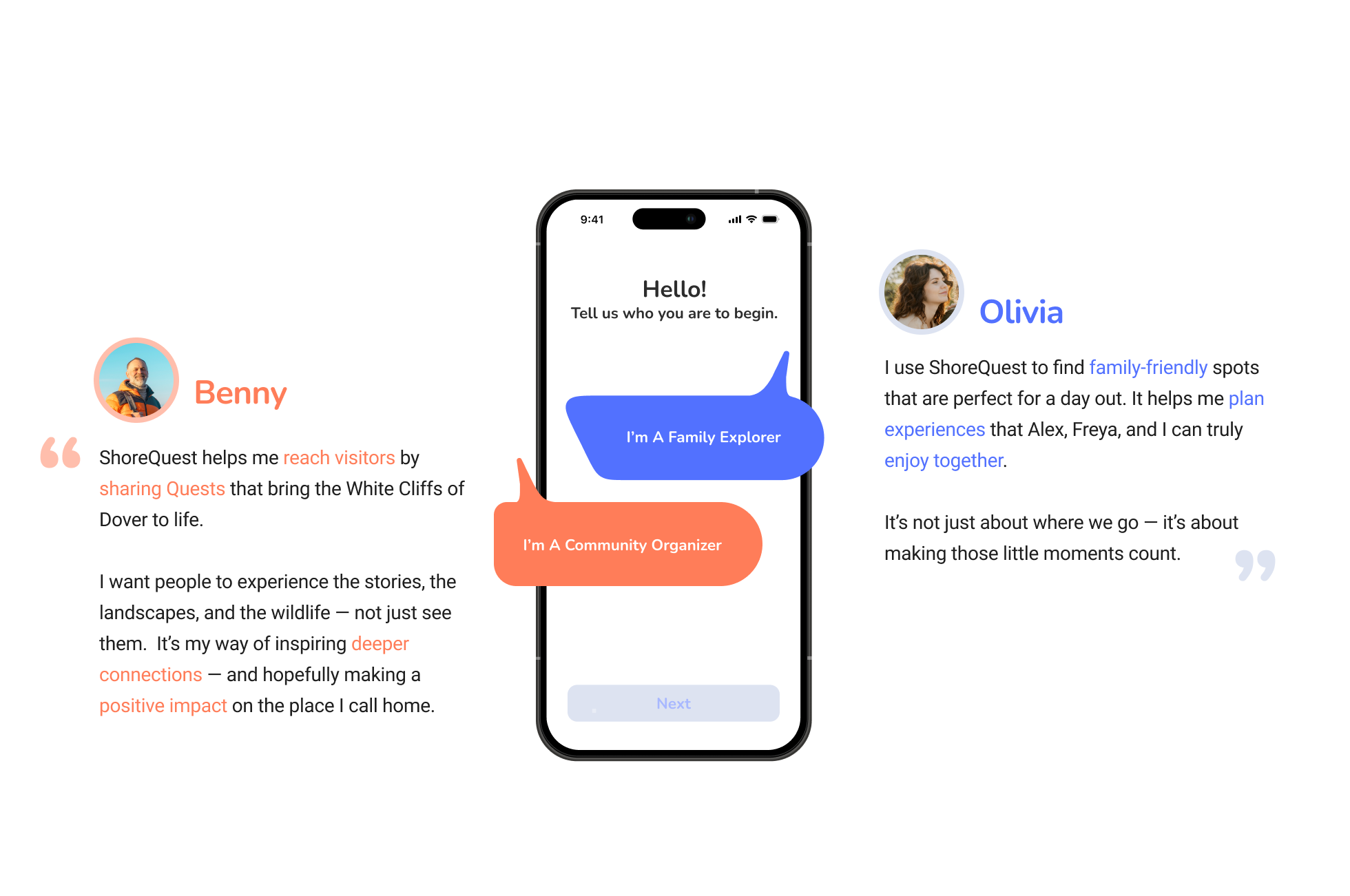
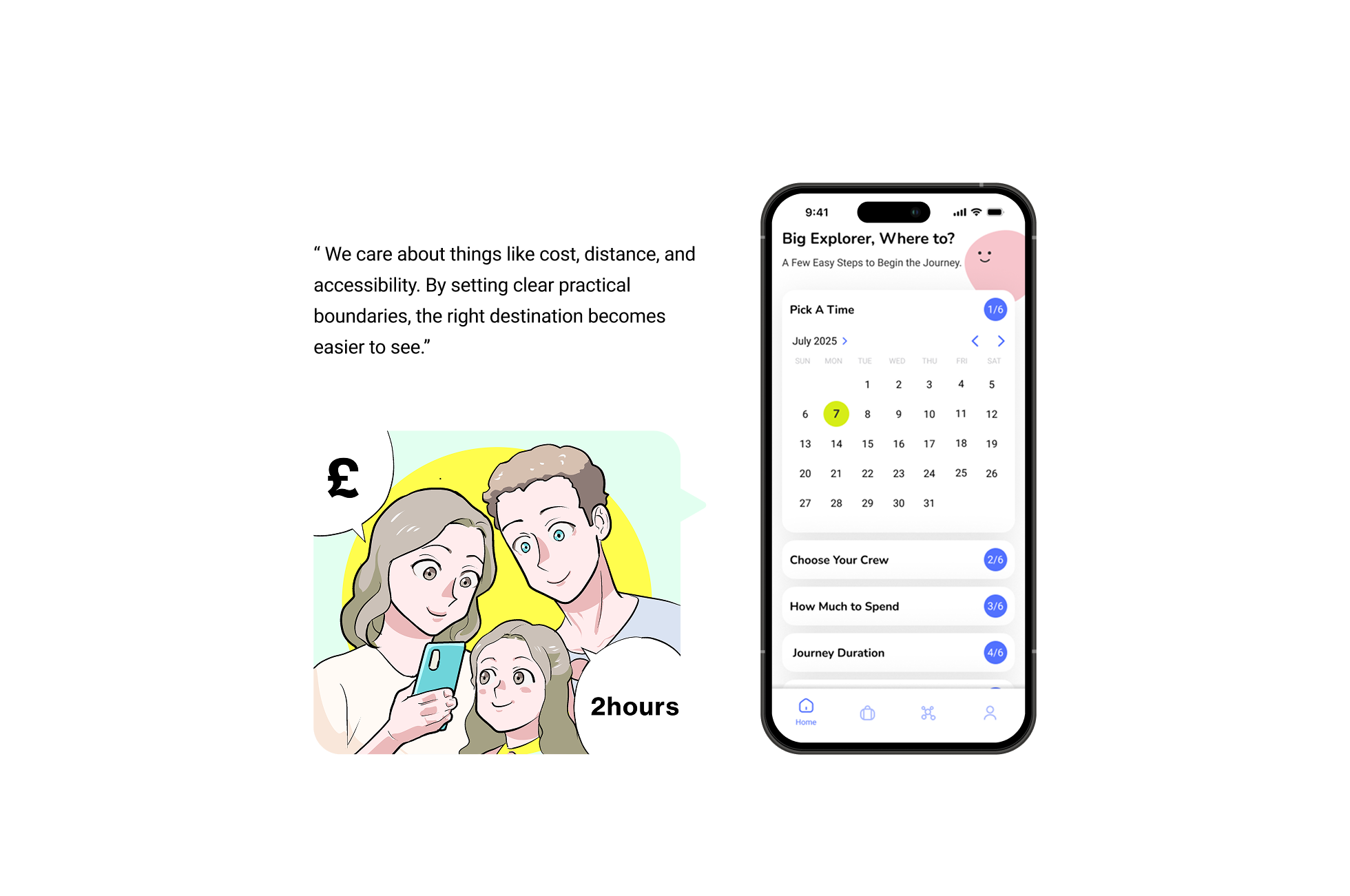
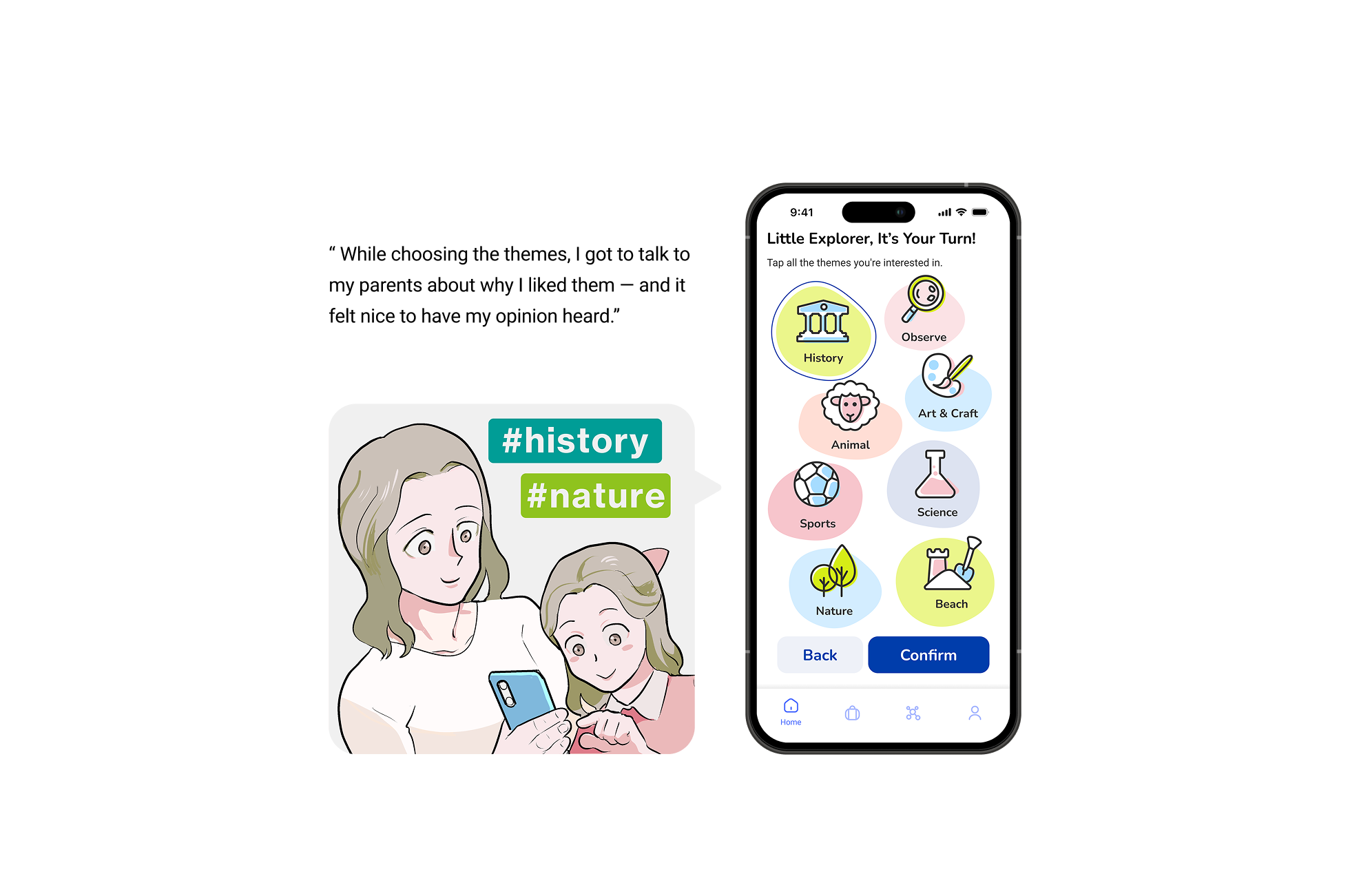
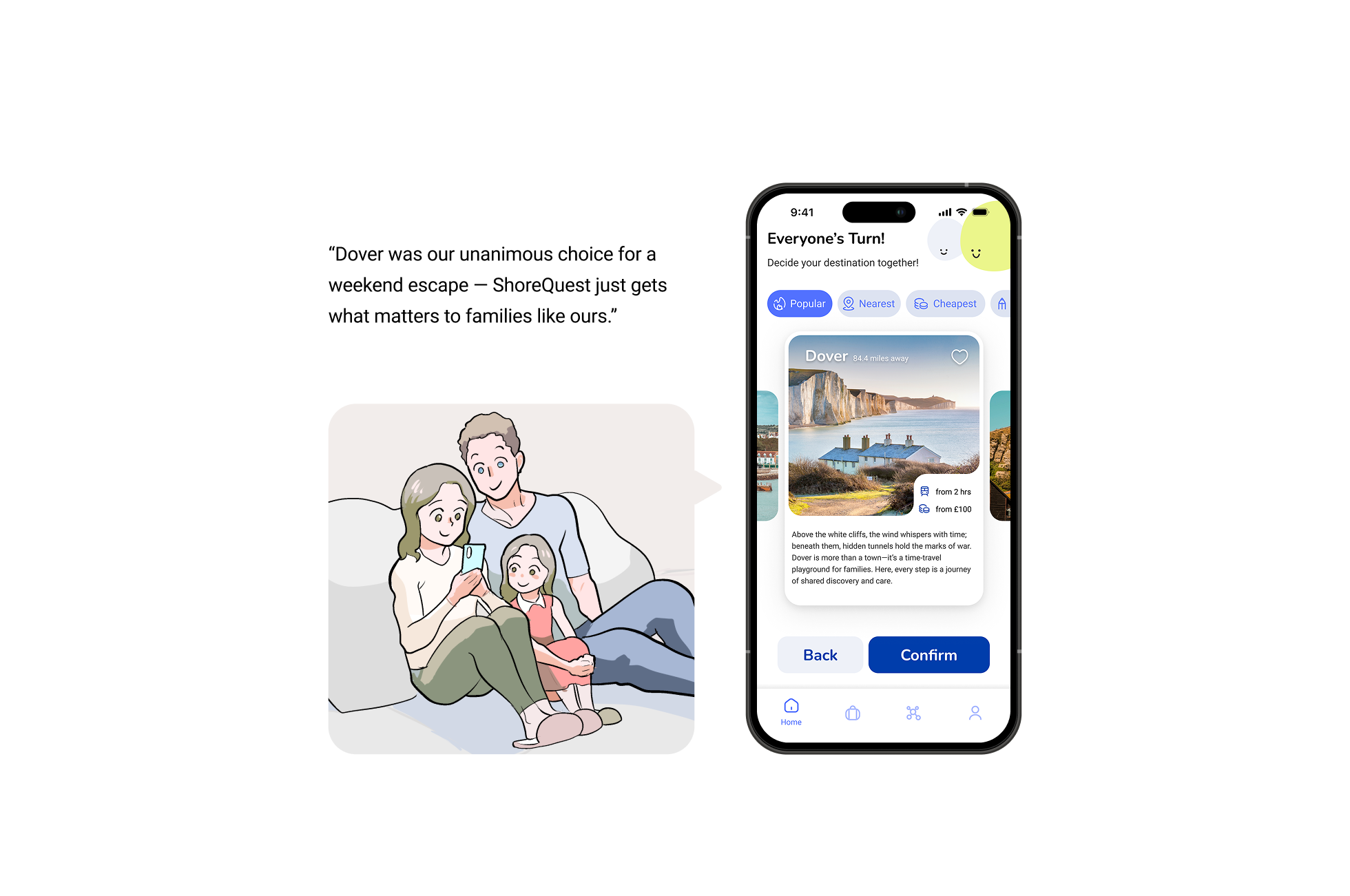
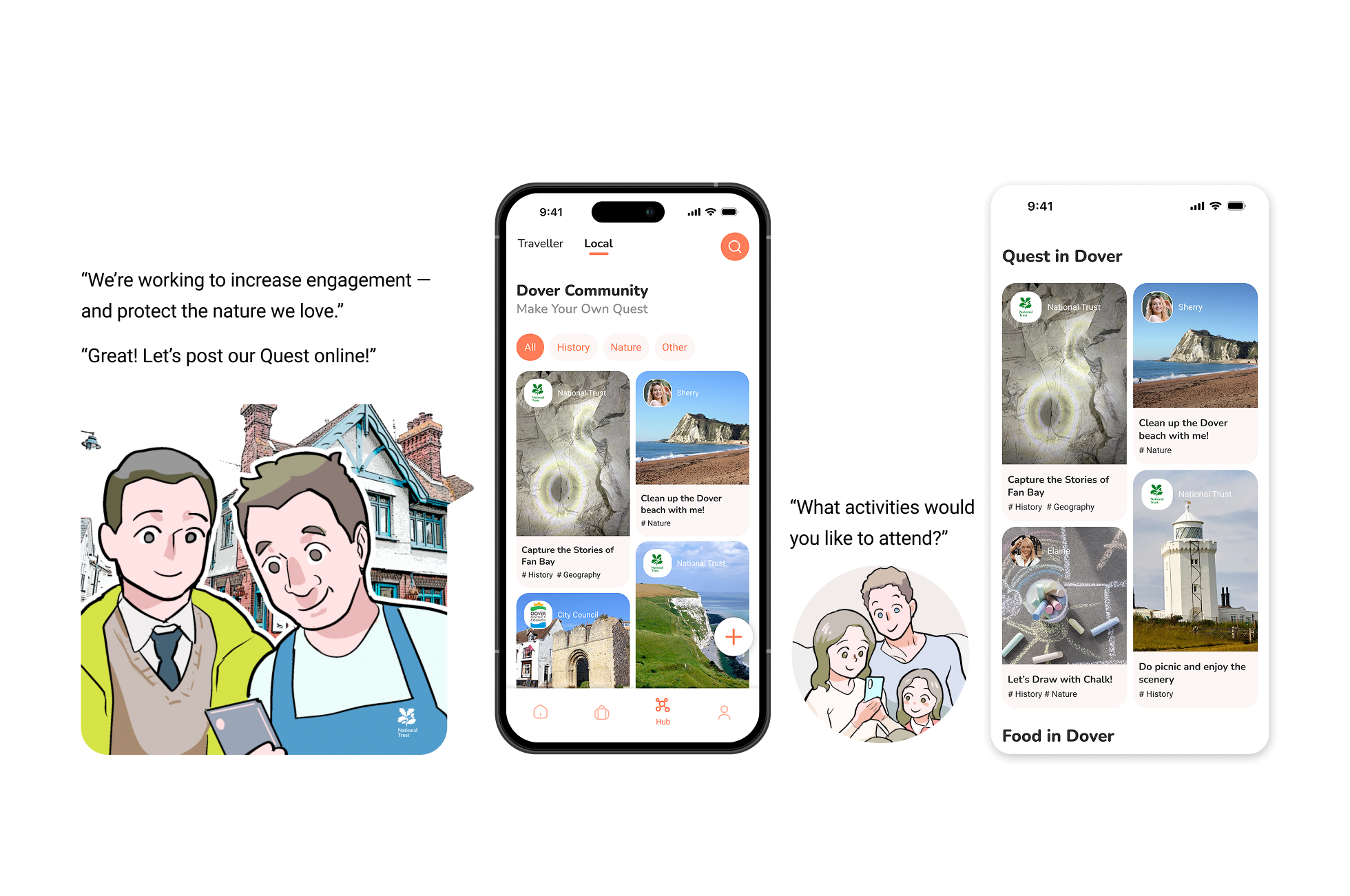
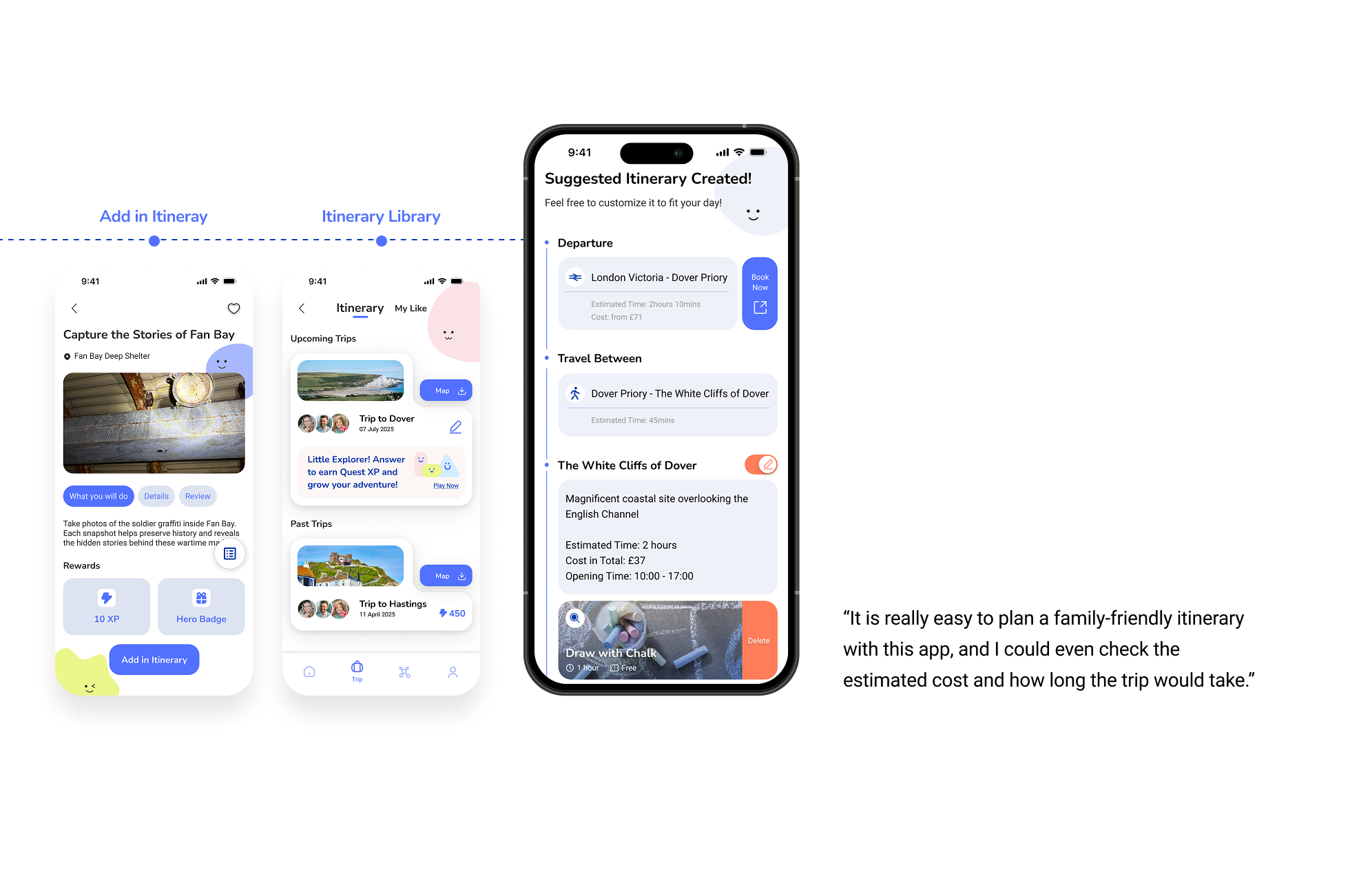
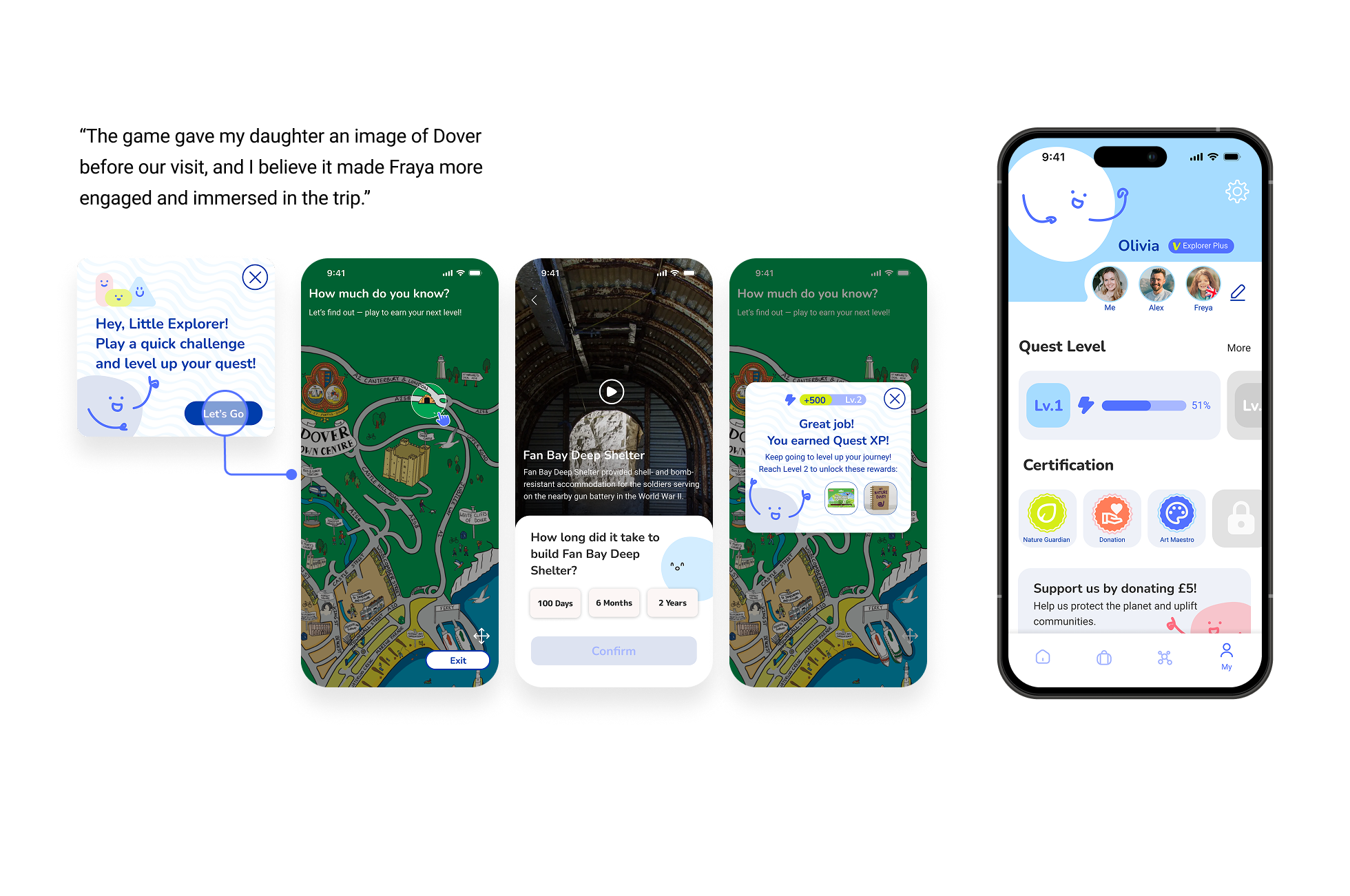
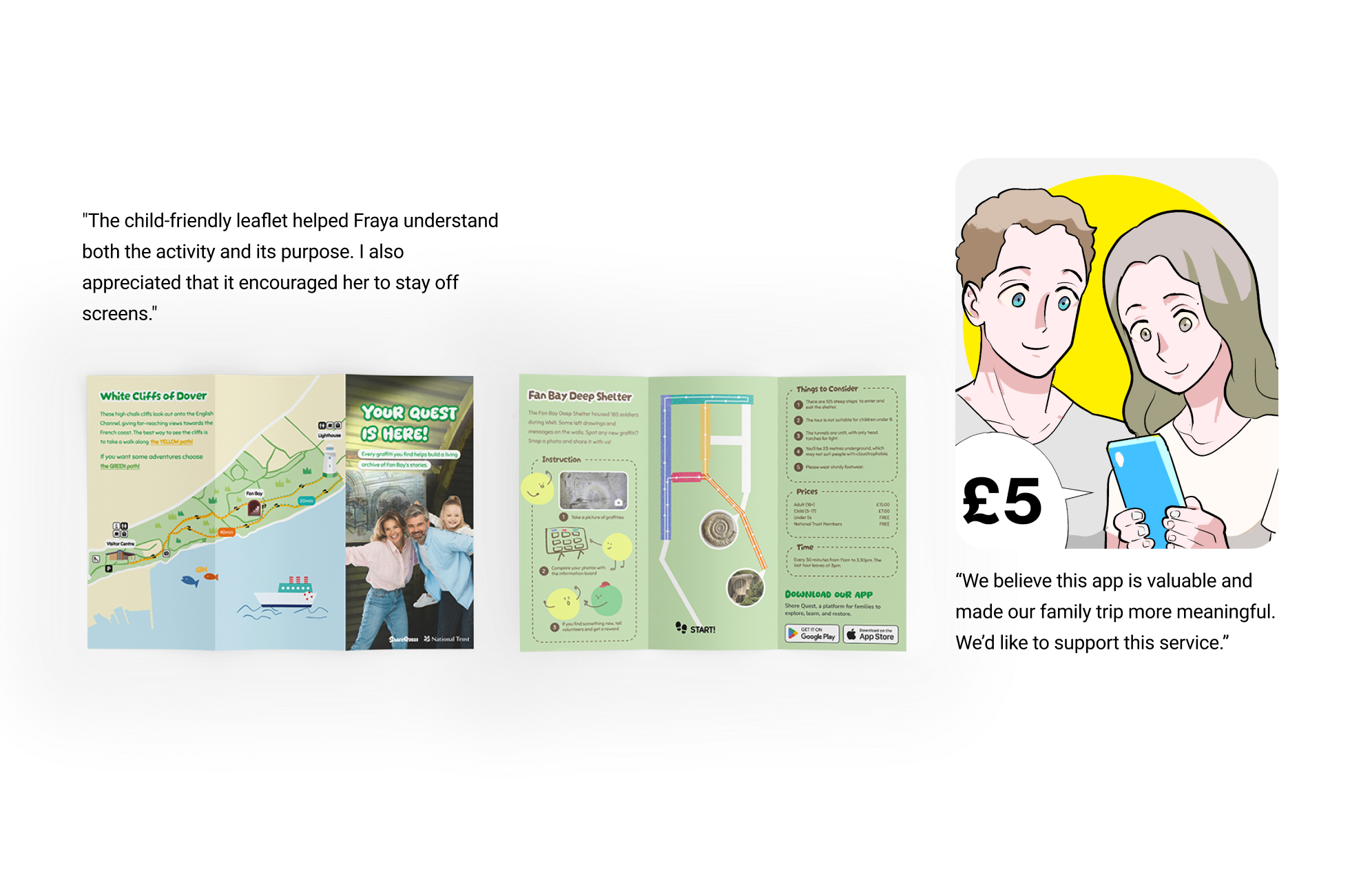
Olivia opened Family Explorer Mode and invited Alex and Freya to join her. Instead of planning the trip alone, they began with a shared conversation about where they wanted to go and what they hoped to experience.
What this enables
Trip planning becomes a shared family activity.
Testing in the Real World
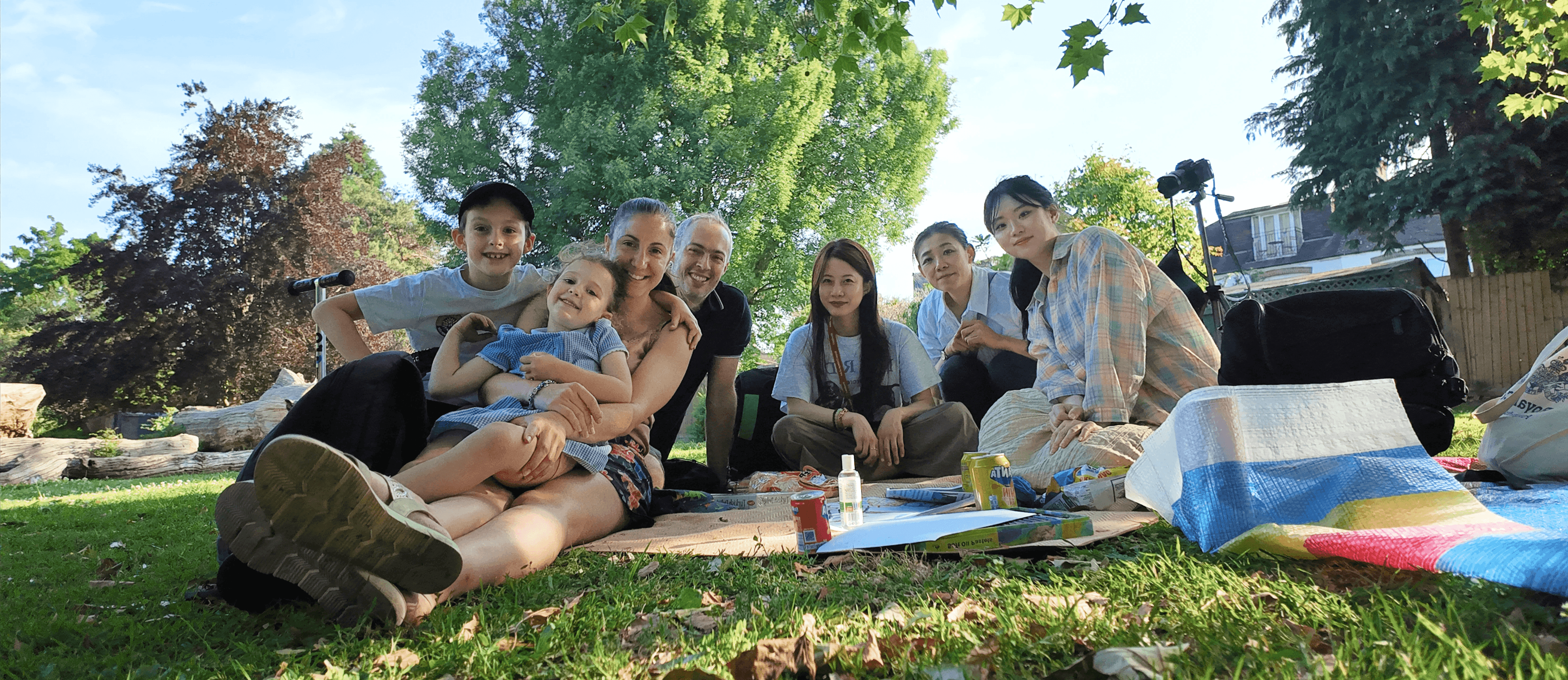
Core Family
Long-term co-design partner who participated throughout the project and multiple rounds of testing.
National Trust Staff
Domain experts providing practical feedback on heritage, regeneration and community value.
Families in Public Spaces
First-time participants who tested the concept in real family settings.
Parents at RCA
Additional perspectives from classmates with lived parenting experience.
Validation brought ShoreQuest beyond the prototype. Working alongside families, National Trust staff, and first-time participants, we observed how planning, activities, and reflection unfolded in a real family setting—using these insights to refine the final experience.
01
PLAN TOGETHER
02
EXPERIENCE TOGETHER
03
REFLECT TOGETHER
Validated
- Collaborative planning
- Child engagement
- Physical-digital experience
Next Iteration
- Progress tracking
- Rewards system
- Photo memories
- Charity donation
The prototype validated the core family experience, while revealing opportunities to extend engagement beyond the day trip.
How the service begins to create value for families and communities
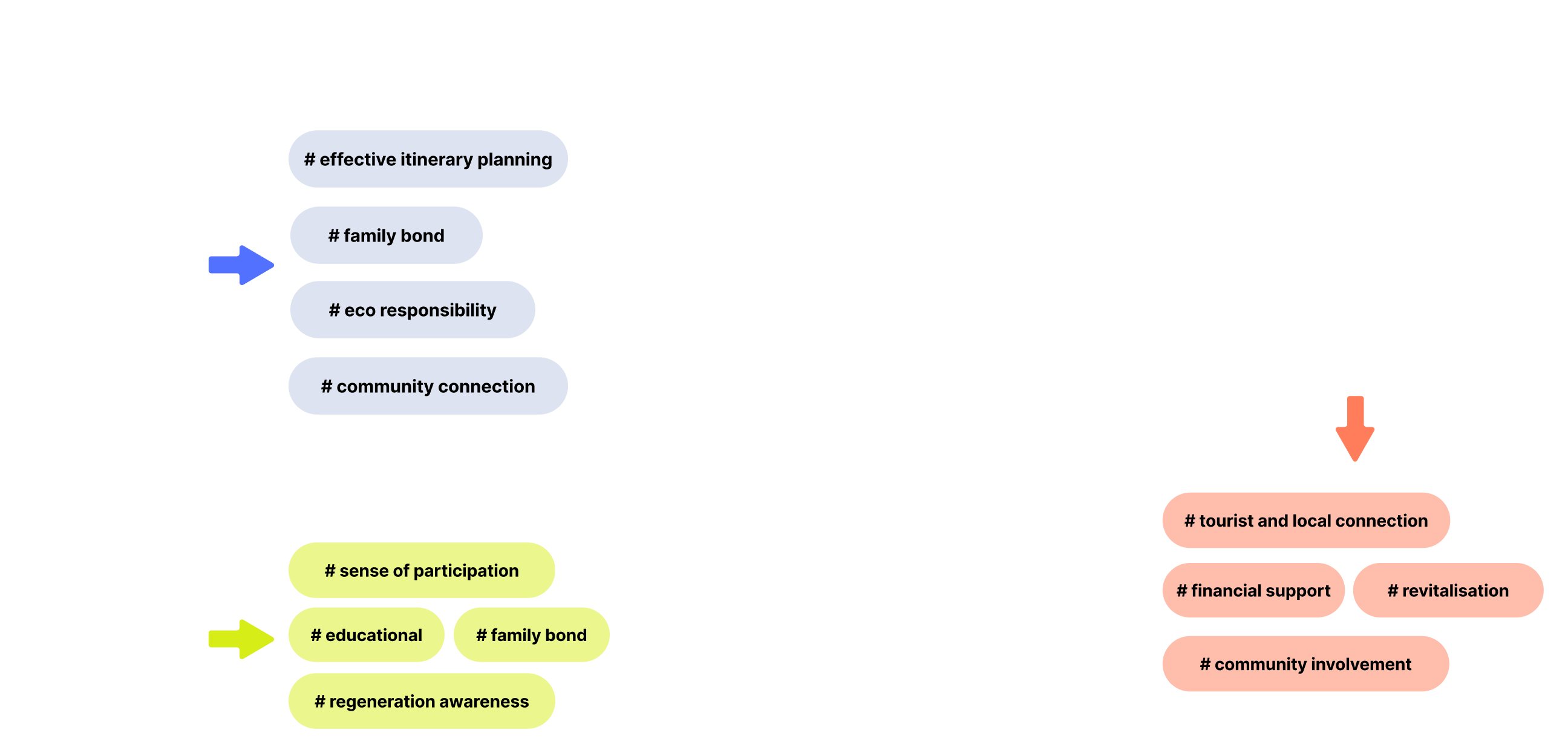
ShoreQuest creates value by turning family participation into stronger local connections, shared learning, and support for community-led regeneration.
Families
Shared planning strengthens family connection and makes local exploration more meaningful.
Children
Participation builds agency, curiosity, and environmental awareness through experience.
Local communities
Community-led activities create stronger visitor relationships and new forms of local support.
Value Beyond the Journey
ShoreQuest has the potential to create value beyond the immediate visitor experience, connecting family participation with broader community and place-based outcomes.
Social
Strengthens family relationships through shared planning, participation, and reflection.
Civic
Creates opportunities for visitors and local communities to shape experiences together.
Economic
Directs visitor activity towards local organisations, businesses, and community-led initiatives.
Environmental
Builds awareness of coastal ecosystems and encourages more responsible travel.
From Coastal Pilot to Wider Network
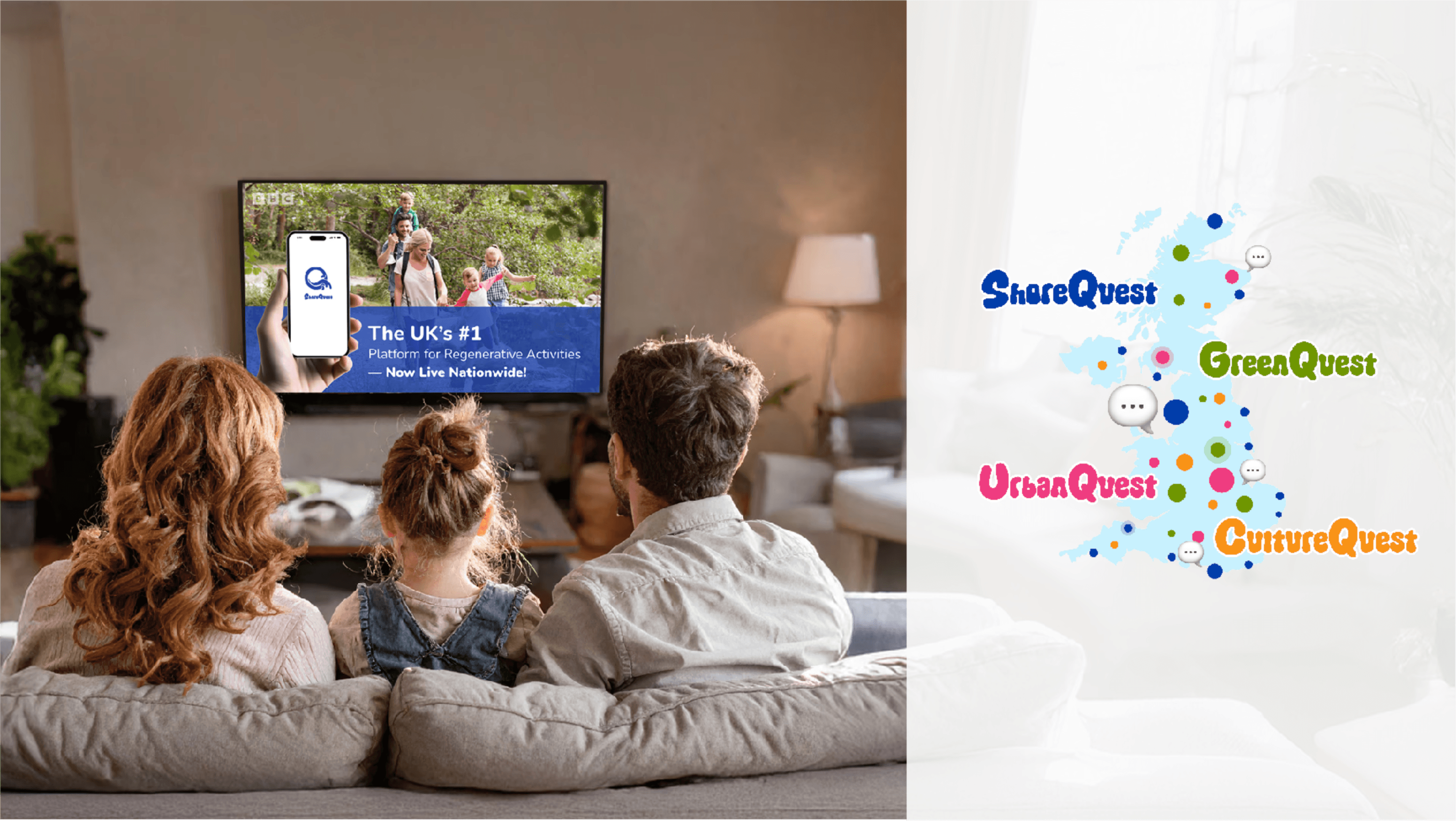
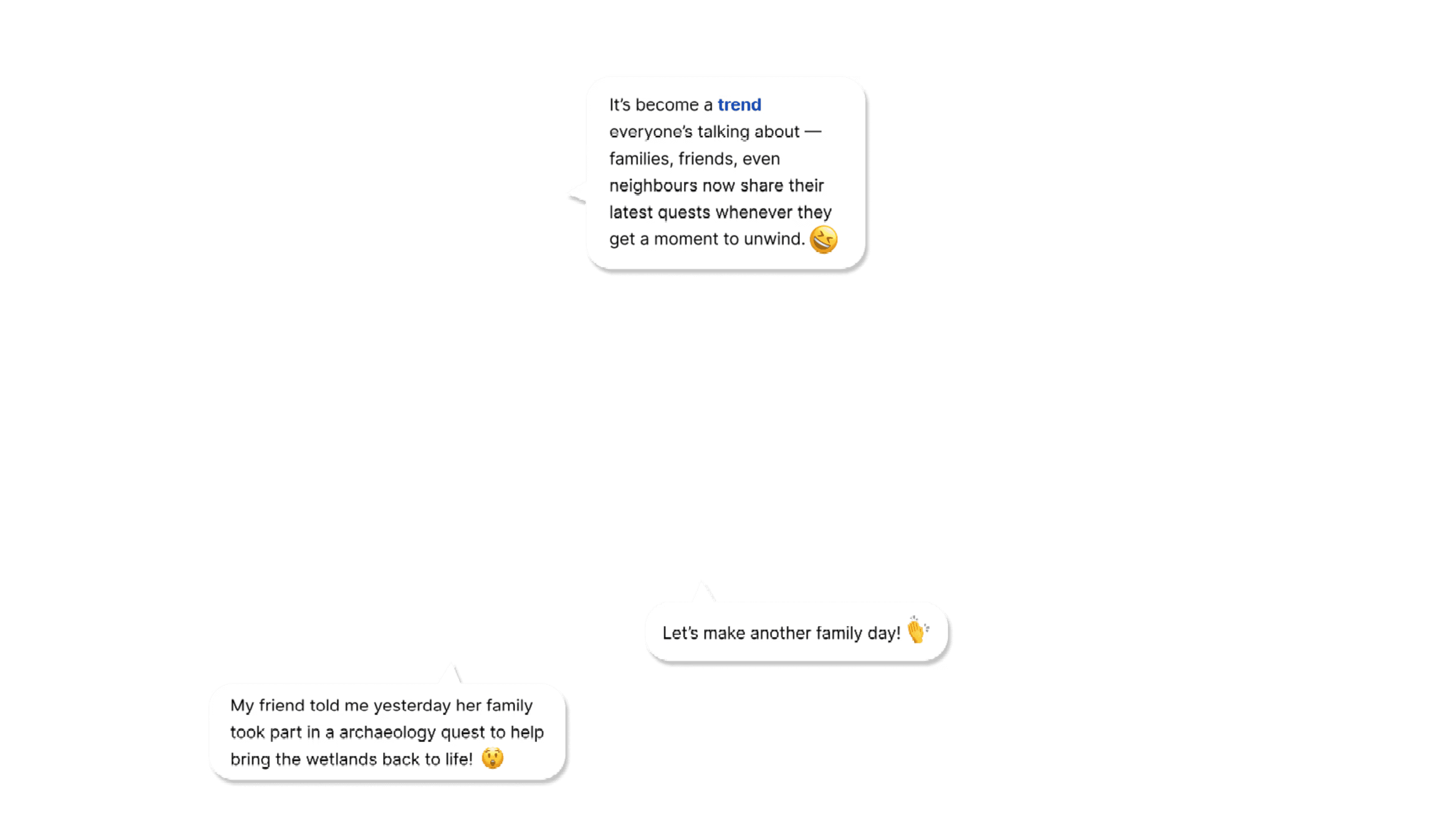
What stays consistent: Shared planning, community-led activities, physical-digital touchpoints, and reflection.
What adapts locally: Themes, partners, quests, cultural narratives, and environmental priorities.
Testing the Story in Public
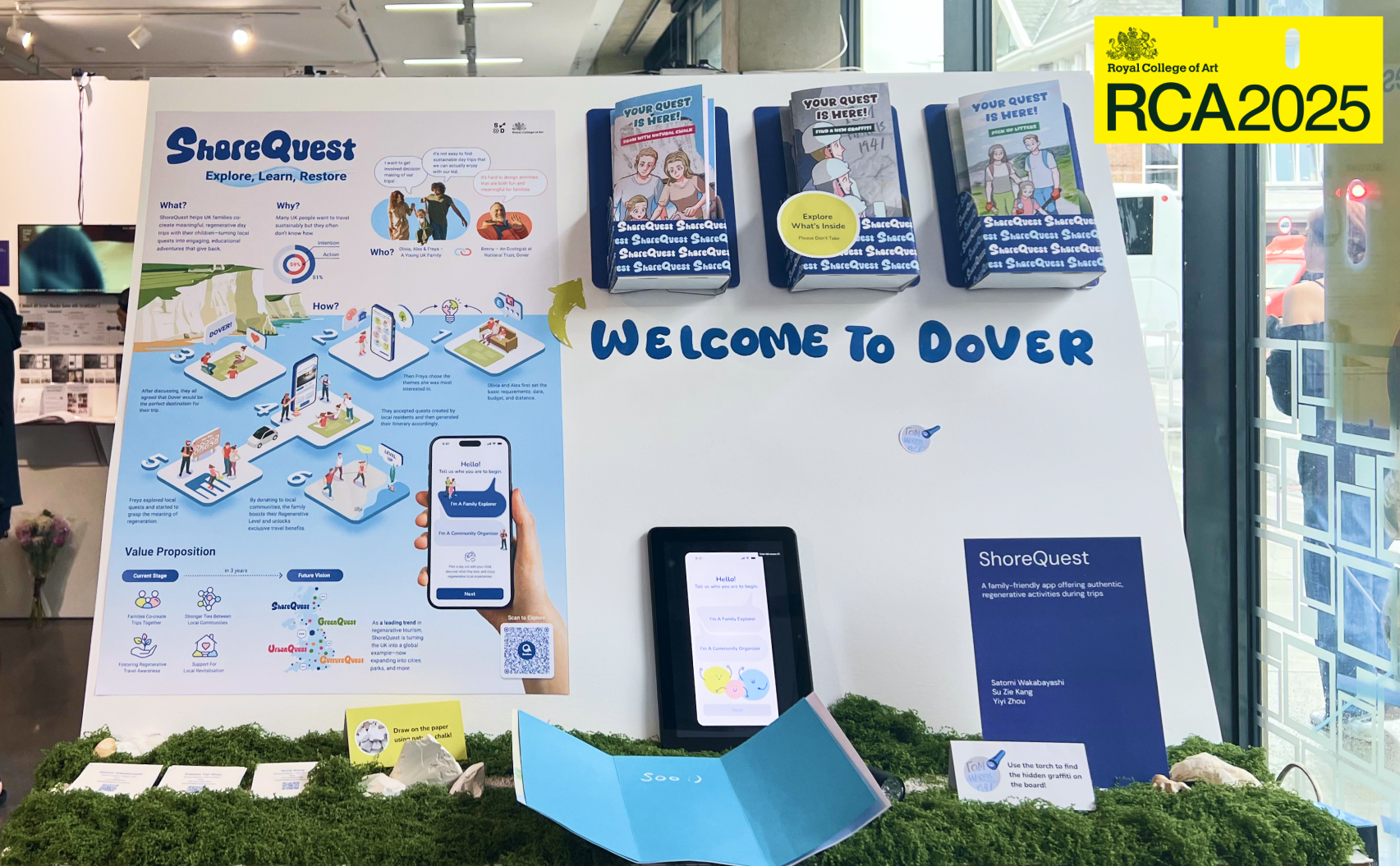
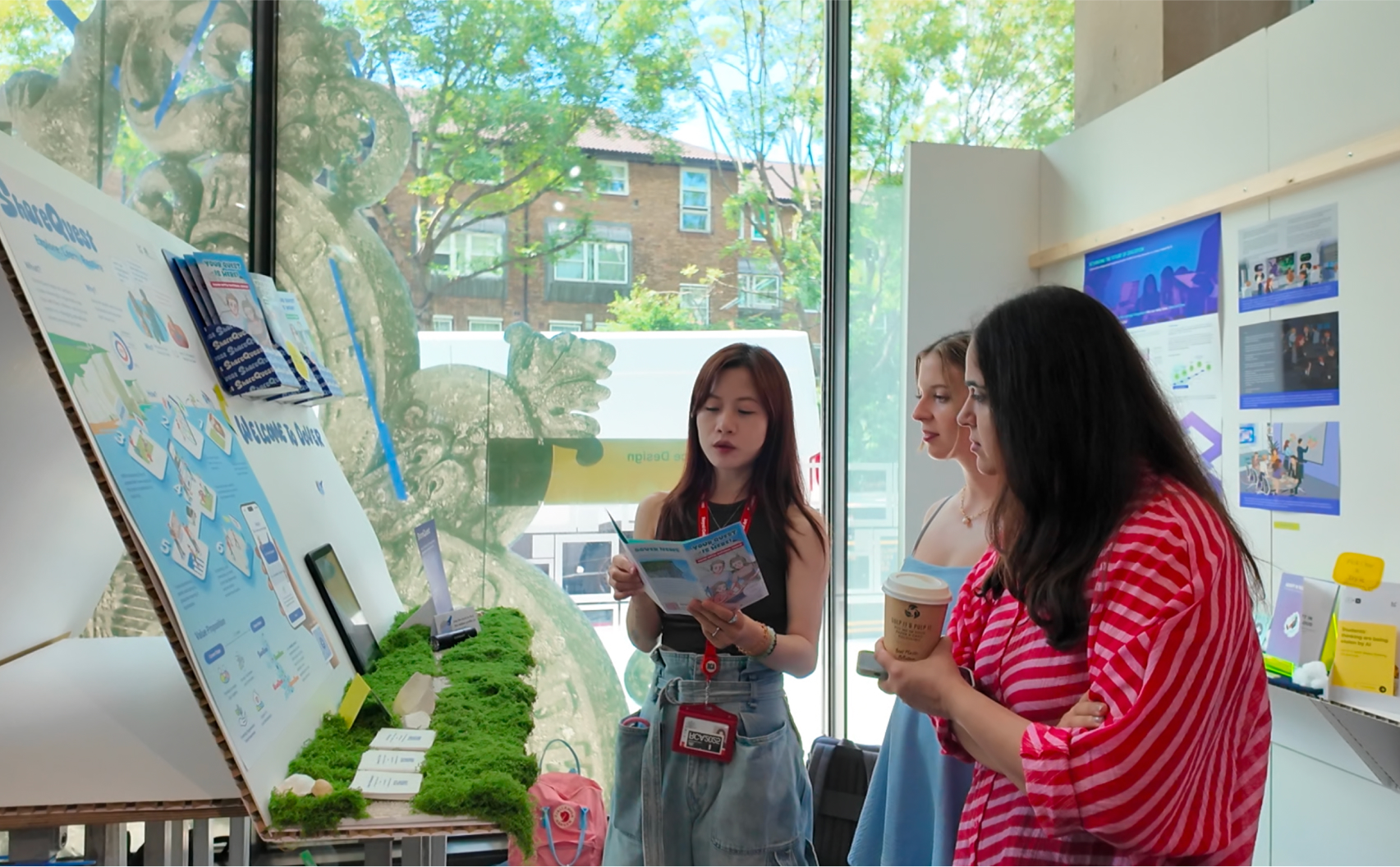
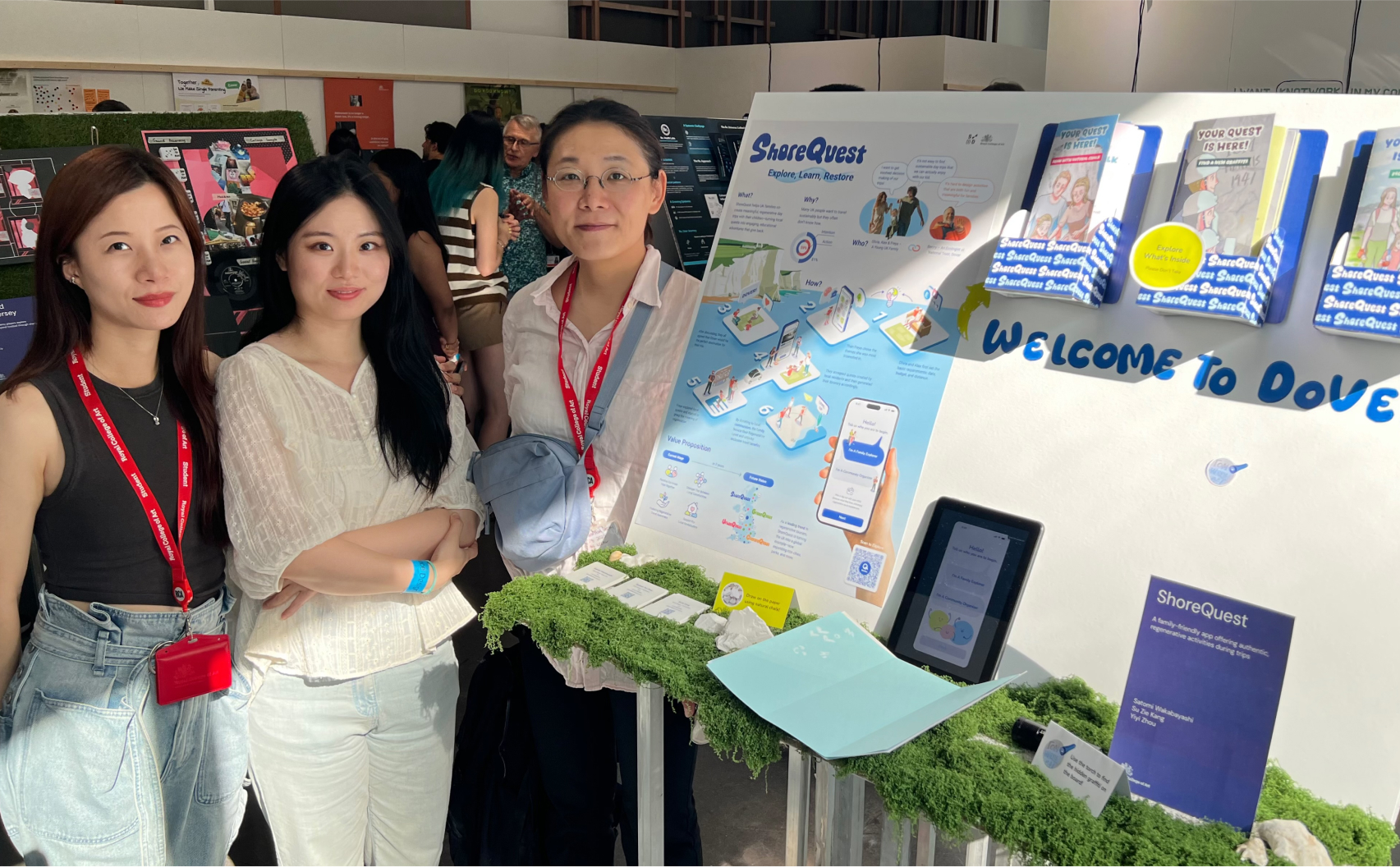
The graduation showcase allowed us to observe how real visitors understood, questioned, and responded to the ShoreQuest concept.
01 / Showcase Setup
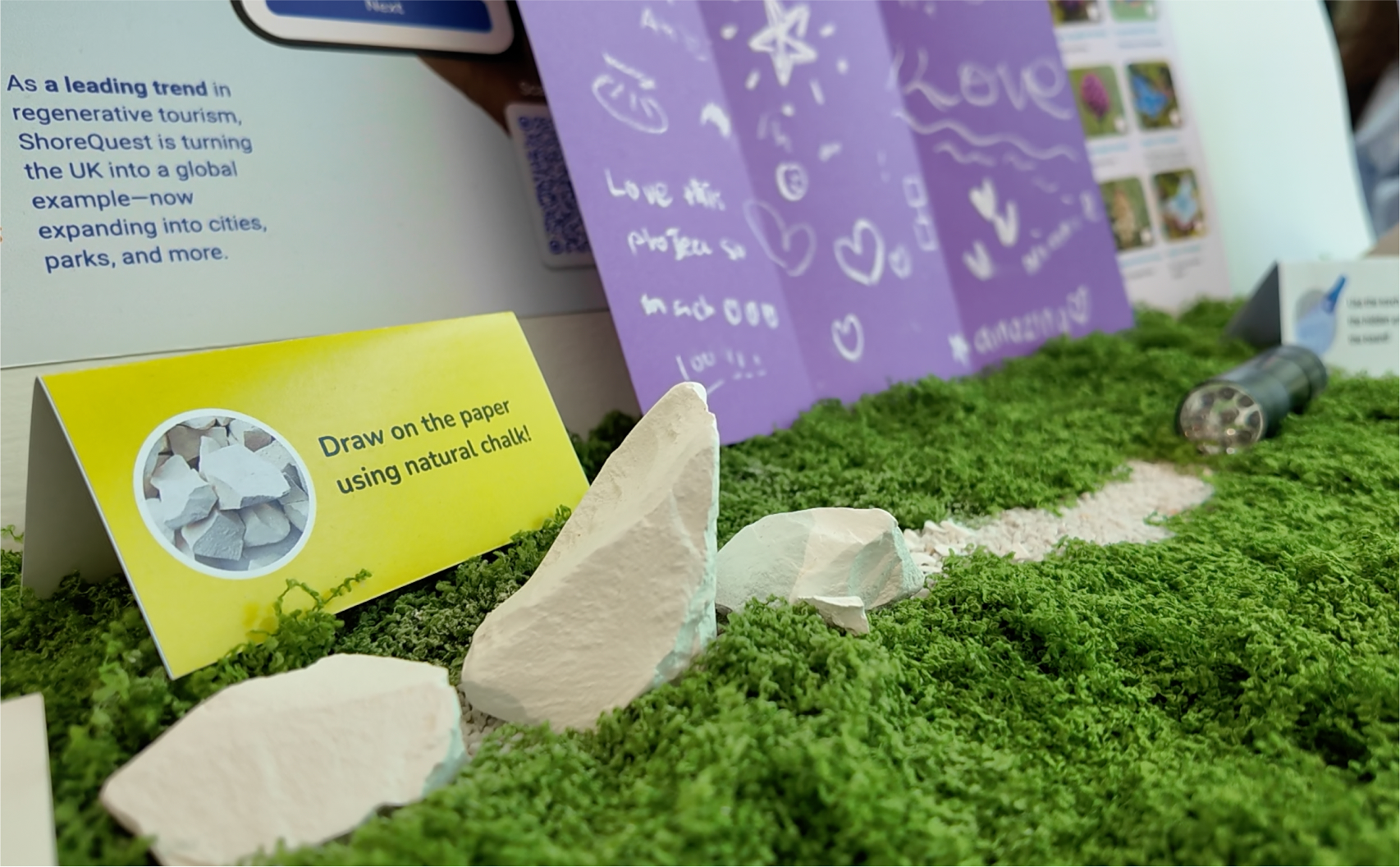
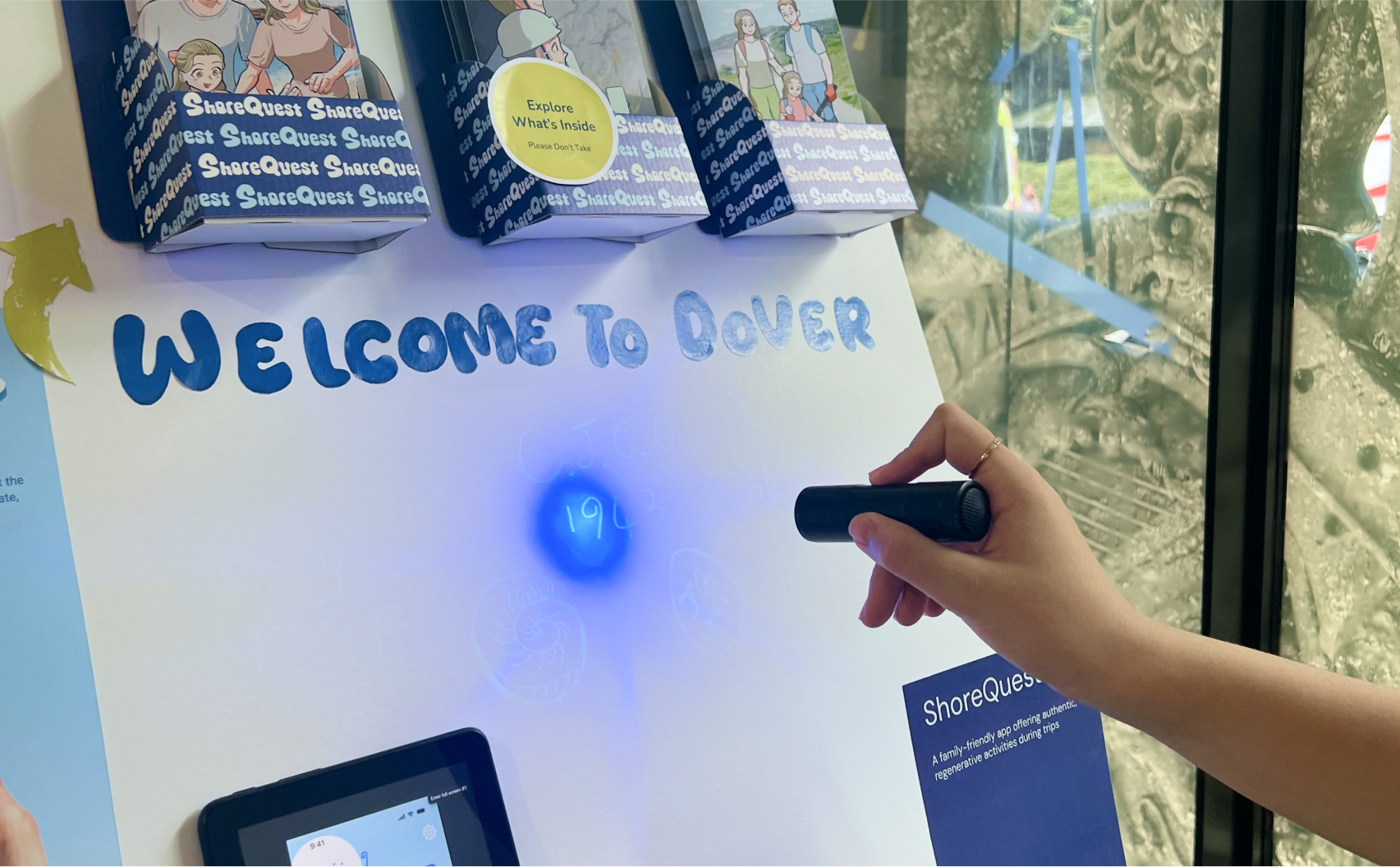
We recreated elements of Dover’s coastal landscape and invited visitors to explore ShoreQuest through an interactive app prototype, physical quest materials, chalk-based activities, and collaborative storytelling.
02 / What Resonated
The family scenario felt familiar
One visitor recognised the same challenge in her own family: deciding where to go often takes hours, especially when children are involved. This suggested that the planning problem was both relatable and grounded in everyday experience.
The concept encouraged curiosity
Visitors were interested in how digital guidance, physical materials, and local activities worked together. The interactive format helped make the regenerative tourism concept easier to understand.
The local partnership potential felt credible
A Consultancy Manager from the National Trust expressed interest in how the model could support young families during future visits, suggesting potential relevance beyond the exhibition context.
03 / What the Showcase Revealed
The story needed a clearer entry point
The relationship between the research, service logic, and final experience was not always immediately visible to visitors.
The process needed to become more tangible
A physical editorial format, such as a guide or booklet, could help audiences follow the journey more clearly and make the concept more memorable.
Storytelling must adapt to context
Different visitors focused on different aspects of the work, reinforcing the need to adjust the tone, sequence, and emphasis for different audiences.
04 / Design Implications
Clarify the narrative
Make the progression from evidence to service concept easier to understand.
Strengthen tangible storytelling
Use physical materials to complement the digital experience and communicate the journey more effectively.
Prepare for different audiences
Adapt the presentation for families, community partners, and destination organisations rather than relying on one universal story.